
The Antioxidant Power of Vegetables Shields Against Lifelong Health Threats
Discover how natural compounds in vegetables combat harmful free radicals to prevent chronic diseases like cancer and heart issues.
Vegetables play a vital role in healthy diets, but their true magic lies in the unseen warriors within: antioxidants. These natural substances act as shields, protecting our cells from damage that can lead to serious illnesses. However, many people overlook this benefit, focusing only on basic nutrients like vitamins. By understanding antioxidants, we unlock a key to long-term wellness, making vegetables not just food but powerful medicine. This knowledge transforms how we view everyday meals, encouraging us to prioritize greens for a healthier future.
Moreover, antioxidants work by neutralizing free radicals, unstable molecules produced during normal body processes or from environmental factors. Free radicals cause oxidative stress, a condition where cells are damaged over time, leading to inflammation and disease. However, vegetables provide a rich source of antioxidants that counteract this threat. For instance, compounds like flavonoids and carotenoids bind to free radicals, preventing them from harming DNA or tissues. This defense mechanism is crucial because, without it, the body's natural repair systems can be overwhelmed, increasing risks of chronic conditions. Thus, incorporating antioxidant-rich foods becomes a simple yet effective strategy for disease prevention.
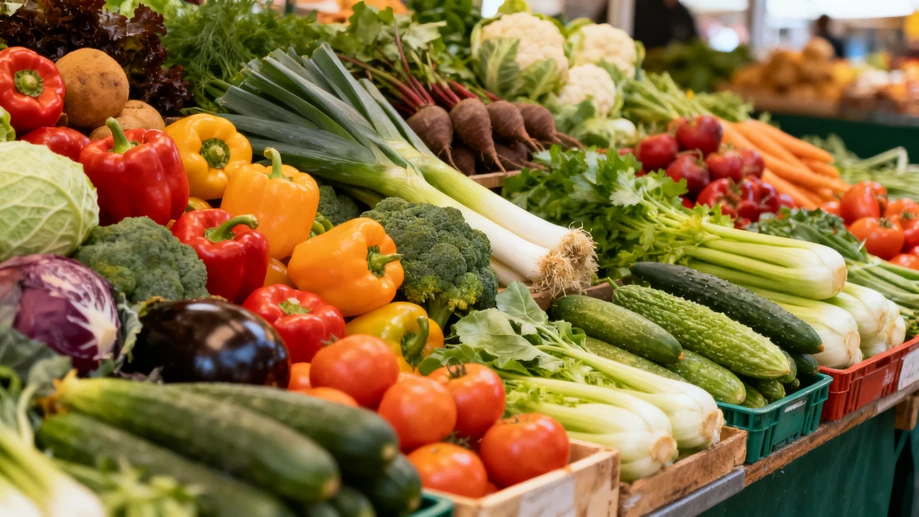
Additionally, not all vegetables are equal in their antioxidant content; some stand out as super sources that offer maximum protection. Dark leafy greens like spinach and kale are packed with lutein, while colorful options such as carrots and bell peppers boast high levels of beta-carotene. Cruciferous vegetables like broccoli contain sulforaphane, a compound shown in studies to reduce cancer risks. However, cooking methods matter: steaming or eating raw preserves more antioxidants than boiling, which can leach out nutrients. This variety ensures that a diverse diet can cover all bases, making it easy to build a daily habit that fortifies the body against illness.
Furthermore, scientific evidence supports the health benefits of these antioxidants, with research linking them to lower rates of chronic diseases. Studies indicate that regular consumption of antioxidant-rich vegetables reduces inflammation markers and improves heart health by preventing artery blockages. For example, populations with high vegetable intake show fewer cases of cancer and diabetes, attributed partly to antioxidant effects. However, supplements cannot replicate this; whole foods provide a synergistic mix that works better than isolated compounds. This underscores the importance of real vegetables in diets, as they deliver a natural, balanced defense that synthetic options miss.
Despite these advantages, many people struggle to include enough vegetables due to taste preferences or busy lifestyles. Yet, simple changes can make a big difference: adding spinach to smoothies or snacking on raw carrots boosts antioxidant intake without extra effort. Moreover, growing awareness through education helps shift habits, as communities learn that small choices today prevent major health issues tomorrow. However, consistency is key; occasional indulgences won't undo the benefits of a steady, vegetable-focused routine. This practical approach empowers individuals to take control, turning knowledge into action for lasting well-being.
In conclusion, vegetables' antioxidant power is a cornerstone of preventive health, offering a natural shield against chronic diseases. By embracing a diet rich in diverse greens, we harness nature's defense system to build resilience. This simple step not only enhances longevity but also reduces healthcare burdens globally. Therefore, let us celebrate vegetables not just as food, but as life-saving allies in our daily quest for vitality.