
The Art of Enhancing High Protein Meals with Fermentation
Discover how ancient fermentation techniques unlock greater protein absorption for healthier, more nutritious meals.
In today's health-conscious world, high-protein diets have surged in popularity, promising benefits like muscle growth and sustained energy. However, simply consuming protein-rich foods isn't enough; the real challenge lies in ensuring our bodies can effectively absorb and utilize this vital nutrient. This is where fermentation, a time-honored culinary practice, steps in as a game-changer. By transforming ordinary ingredients through microbial action, fermentation not only preserves food but also breaks down complex proteins into simpler forms. The result? A significant boost in bioavailability, meaning your muscles and cells get more of the fuel they need without extra effort. This simple, natural process turns everyday meals into powerhouses of nutrition, making it an essential tool for anyone seeking optimal health from their diet.
To grasp how fermentation works its magic, consider the science behind it: proteins in foods like beans, grains, or dairy are composed of long chains of amino acids, which can be tough for our digestive systems to fully break down. Fermentation introduces beneficial bacteria or yeasts that pre-digest these proteins, enzymatically cleaving them into smaller peptides and amino acids. This pre-digestion mimics the body's own processes, reducing the workload on our gut and allowing for quicker, more efficient absorption. For instance, fermented soy products such as tempeh exhibit up to 20% higher protein digestibility compared to their unfermented counterparts. Moreover, this transformation enhances the flavor profile, adding tangy notes that make meals more enjoyable. As a bonus, the fermentation process often increases the levels of essential vitamins like B12, creating a synergistic effect that elevates the overall nutritional value of high-protein dishes.
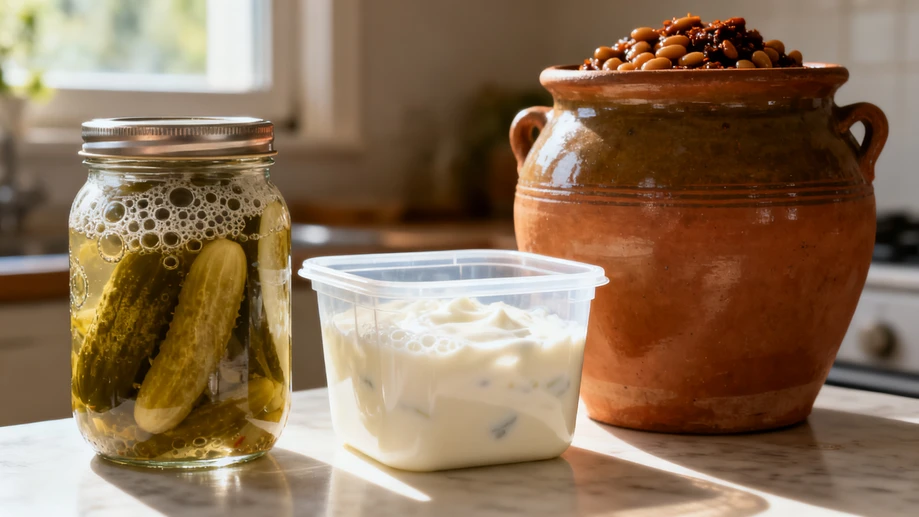
Now, incorporating fermentation into your kitchen routine doesn't require specialized equipment or expertise; it's surprisingly accessible for home cooks. Start with simple projects like making yogurt from milk or fermenting vegetables such as cabbage into sauerkraut. All you need are basic ingredients, a clean jar, and a bit of patience as the microbes work over days or weeks. For a high-protein twist, try fermenting legumes: soak beans overnight, then allow them to ferment with a starter culture to create a probiotic-rich base for soups or salads. This approach not only amplifies protein absorption but also reduces anti-nutrients like phytates, which can inhibit mineral uptake. The key is to maintain proper hygiene and temperature control to ensure safety and success. Once mastered, these fermented additions can be seamlessly blended into meals—think topping a grilled chicken salad with homemade kimchi or stirring yogurt into a post-workout smoothie. Such small tweaks transform ordinary recipes into nutrient-dense feasts that support long-term wellness.
Beyond improved protein utilization, the benefits of fermented foods extend to broader health advantages, particularly for gut health. The live cultures introduced during fermentation act as probiotics, populating the digestive tract with friendly bacteria that aid in digestion and reduce inflammation. This symbiotic relationship enhances nutrient absorption across the board, not just for proteins, leading to better immune function and reduced bloating. Studies suggest that regular consumption of fermented items can lower the risk of chronic diseases by promoting a balanced microbiome. For high-protein enthusiasts, this means meals become not only more effective for muscle repair but also kinder to the stomach, preventing common issues like indigestion. This holistic impact underscores why fermentation is more than a culinary trend—it's a sustainable, science-backed strategy for maximizing dietary gains. By embracing these methods, you're not just eating protein; you're optimizing every bite for peak performance.
Ultimately, integrating fermentation into high-protein cooking is a rewarding journey that bridges tradition and modern nutrition. It empowers individuals to take control of their health with simple, natural techniques that require minimal investment. Start small, experiment with different ferments, and observe how your body responds—you might find that meals become more satisfying and energizing. As awareness grows, this ancient art is poised to revolutionize how we approach protein intake, making it an indispensable part of a balanced, vibrant lifestyle. So, why not give it a try? Your next meal could be the key to unlocking unparalleled nutritional benefits.