
Fermented Foods Are Your Gut's Silent Guardians Working Overtime
Unlocking the Ancient Power of Microbial Allies for Digestive Resilience and Overall Well-being Through Everyday Pantry Staples
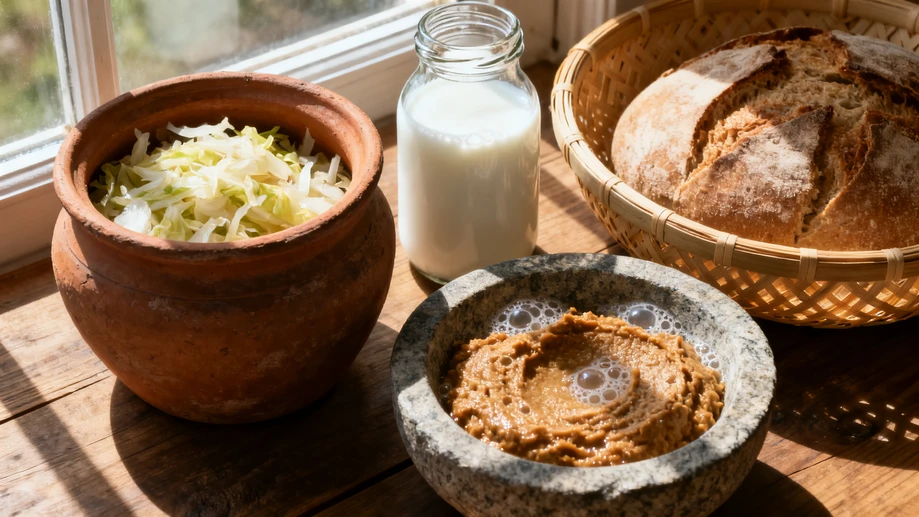
While modern nutrition obsesses over superfoods and supplements, an ancient culinary tradition quietly fortifies our bodies from within. The transformative magic happens when humble ingredients like cabbage, soybeans, or milk encounter beneficial microorganisms. These microscopic workers perform an alchemy that predates human history, converting ordinary foods into probiotic powerhouses. Their labor creates dynamic ecosystems within jars and crocks, yielding tangy, complex flavors while generating enzymes, vitamins, and living cultures that modern science now recognizes as essential to human health. This natural fermentation process represents one of humanity's earliest and most enduring food preservation methods, yet its biological significance extends far beyond mere shelf life extension.
Recent scientific investigations reveal astonishing complexity within fermented products. Researchers have identified diverse bacterial strains like Lactobacillus and Bifidobacterium thriving in properly prepared sauerkraut, kimchi, or kefir, each contributing unique benefits. These microorganisms engage in sophisticated cross-talk with our intestinal cells through signaling molecules that influence everything from nutrient absorption to immune responses. Unlike manufactured probiotic capsules containing limited bacterial varieties, traditionally fermented foods offer a broad spectrum of microbial diversity. This biodiversity proves crucial as different strains perform distinct functions: some break down dietary fibers into digestible components while others produce vitamins like K2 or synthesize compounds that regulate inflammation pathways throughout the body.
Consuming these foods introduces microbial reinforcements to our digestive tract where they actively reshape the gut environment. They compete with harmful bacteria for resources and attachment sites while producing antimicrobial substances that suppress pathogens. More remarkably, certain fermentation byproducts strengthen the intestinal lining, reducing permeability that can trigger systemic inflammation. Observational studies consistently associate regular fermented food consumption with improved digestive comfort, particularly regarding bloating and irregularity. The mechanisms involve enhanced enzymatic activity breaking down lactose or complex carbohydrates that often cause discomfort, alongside optimized gut motility patterns regulated by microbial metabolites acting on the enteric nervous system.
Beyond immediate digestive effects, the influence radiates throughout the body. Gut microbes communicate with distant organs via the gut-brain axis and circulatory system. Fermented food metabolites stimulate immune cell production in gut-associated lymphoid tissue, creating a ripple effect that enhances overall immune vigilance. Simultaneously, neuroactive compounds produced during fermentation influence neurotransmitter pathways, potentially explaining correlations between traditional fermented diets and mood regulation. Emerging research even suggests certain fermented peptides may help regulate blood pressure through ACE-inhibition pathways, while others demonstrate antioxidant capacities exceeding their original ingredients, offering cellular protection against oxidative damage.
Regular inclusion requires minimal effort yet delivers maximum impact. A daily serving might be tangy kimchi alongside breakfast eggs, miso whisked into lunchtime soup, or yogurt parfait for dessert. The key lies in seeking authentic products containing live cultures rather than vinegar-pickled imitations. Small-batch sauerkraut from refrigeration sections and active-culture kefir demonstrate higher probiotic viability than shelf-stable alternatives. For enthusiasts, home fermentation empowers control through simple tools: clean jars, quality salt, and fresh produce. This practice connects us to ancestral wisdom while cultivating personal microbiomes as unique as fingerprints. The microbial symphony within each jar creates a living bridge between traditional knowledge and contemporary wellness, offering protection against modern dietary disruptions.