
The Hidden Power of Low Glycemic Index Foods in Blood Sugar Management
Discover how choosing the right carbohydrates can transform your health and keep your blood sugar levels steady throughout the day
Imagine navigating a daily rollercoaster of energy crashes and cravings, unaware that the solution lies not in deprivation but in smarter carbohydrate choices. This invisible metabolic dance begins the moment food touches your tongue, where the glycemic index serves as your nutritional compass. Unlike simple calorie counting, this scientific measurement ranks carbohydrates based on how quickly they convert to glucose in your bloodstream. Foods scoring below 55 earn the low GI designation, releasing energy gradually like a time-released capsule rather than flooding your system with sugar. Understanding this fundamental principle transforms eating from a guessing game into a strategic approach for sustained vitality.
Transitioning to low GI eating delivers profound benefits beyond mere sugar control, creating ripple effects throughout your body's ecosystem. When you consistently choose slow-releasing carbohydrates like steel-cut oats or lentils, you avoid the abrupt insulin spikes that trigger fat storage mechanisms. Your pancreas receives a much-needed reprieve from constant emergency response duty, reducing long-term diabetes risks significantly. Remarkably, studies indicate that low GI diets improve insulin sensitivity by up to 20% within weeks, while simultaneously extending satiety signals. This metabolic harmony naturally discourages between-meal snacking, as your body remains nourished for hours rather than demanding quick fixes.
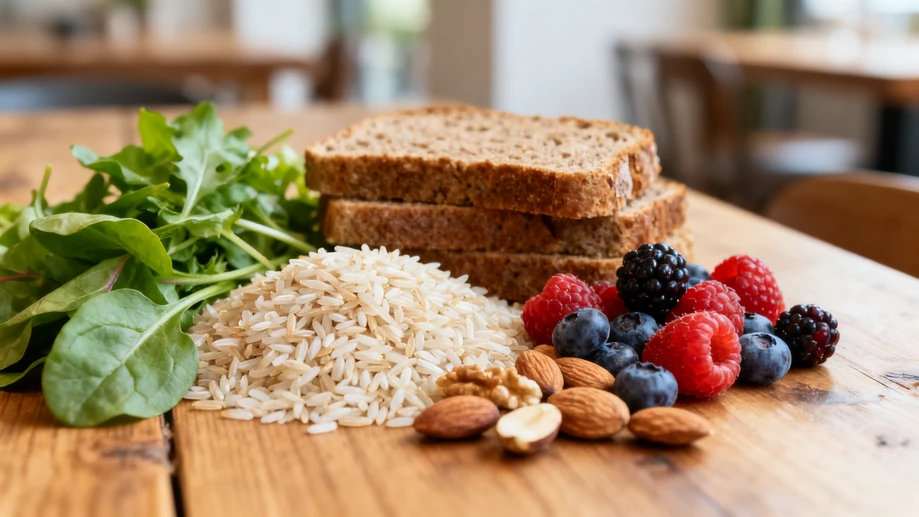
Mastering low GI selection requires decoding nature's packaging rather than relying on marketing claims. Whole grains in their minimally processed state consistently outperform their refined counterparts—brown rice maintains a moderate 50 GI while white rice soars to 73. Surprisingly, many fruits like berries and apples score favorably despite their sweetness, thanks to their fiber matrix that slows sugar absorption. Even within the same food category, preparation methods dramatically alter impact; al dente pasta can have a 40% lower GI than overcooked noodles. The key lies in recognizing that intact cellular structures and resistant starches act as natural barriers against rapid glucose release.
Practical implementation involves simple culinary adjustments that yield substantial metabolic rewards. Begin breakfast with Greek yogurt topped with nuts and seeds instead of sugary cereals, creating a protein-fiber combination that buffers carbohydrate absorption. At lunch, transform sandwiches by using dense rye bread and adding vinegar-based dressings, whose acetic acid naturally inhibits digestive enzymes. For dinner, pair lean proteins with sweet potatoes rather than white potatoes, and always include leafy greens whose magnesium content enhances insulin function. Crucially, remember that combining fats or proteins with carbohydrates automatically lowers the overall glycemic load of any meal.
Ultimately, embracing low GI principles cultivates metabolic resilience that transcends numerical blood sugar readings. This approach fosters a harmonious relationship with food where nourishment replaces restriction. As you experience sustained energy and diminished cravings, you'll discover that true dietary freedom emerges not from battling hunger but from understanding your body's intelligent responses. The journey toward balanced blood sugar begins not with complicated formulas but with conscious choices that honor your body's inherent wisdom.