
How to Effortlessly Add Plant-Based Proteins to Your High-Protein Meals
Discover creative ways to incorporate beans, nuts, and seeds for delicious, nutrient-rich dishes that boost daily protein without sacrificing flavor.
When we think of high-protein meals, images of grilled chicken or steak often come to mind, but relying solely on animal sources can lead to monotony and missed nutritional opportunities. Plant-based proteins, such as lentils and chickpeas, offer a versatile and sustainable alternative that not only packs a protein punch but also brings fiber and essential vitamins to the table. For instance, a simple bowl of chickpea curry can provide up to 15 grams of protein per serving, making it an easy way to meet daily needs. Moreover, incorporating these ingredients can reduce environmental impact and add vibrant colors and textures to your plate, transforming everyday cooking into an exciting culinary adventure.
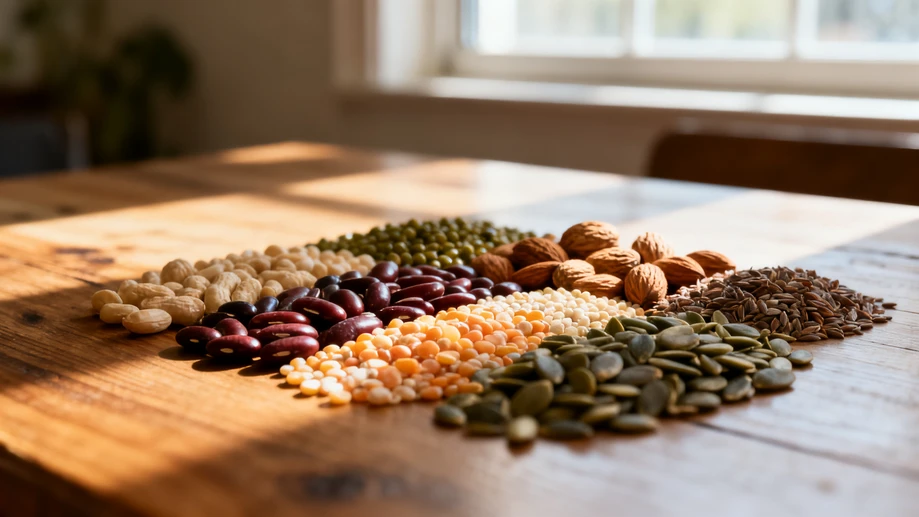
Transitioning to plant proteins doesn't have to be complicated; start with humble beans, which are protein powerhouses that cook quickly and adapt to various cuisines. Black beans, for example, contain about 7-8 grams of protein per half-cup and can be mashed into burgers, blended into smoothies, or tossed into salads for a satisfying crunch. To maximize their benefits, soak dried beans overnight to reduce cooking time and enhance digestibility, or opt for canned versions for convenience—just rinse them well to cut down on sodium. This small step not only saves time but also introduces a healthy dose of iron and folate, ensuring your meals support muscle recovery and overall energy levels without feeling heavy.
Beyond beans, nuts and seeds present a delightful way to elevate protein content in snacks and main courses, adding a subtle crunch and rich flavor profile. Almonds, with their 6 grams of protein per ounce, can be sprinkled over oatmeal or yogurt for breakfast, while chia seeds, offering 4 grams per tablespoon, thicken smoothies or create puddings when mixed with liquids. Additionally, toasting pumpkin seeds brings out their nutty essence, making them perfect for topping roasted vegetables or stirring into grain bowls. However, portion control is key here as nuts are calorie-dense; aim for a small handful daily to avoid overindulgence while still reaping the heart-healthy fats and antioxidants that complement a balanced diet.
Combining these plant proteins with whole grains and vegetables creates complete, high-protein meals that are both filling and nutritious. Consider a quinoa and lentil salad: quinoa provides all nine essential amino acids, acting as a complete protein, while lentils contribute additional fiber and iron. Toss in colorful veggies like bell peppers and spinach to boost vitamins, and dress with lemon juice for a zesty finish. Furthermore, this approach allows for endless customization—swap in different grains like farro or barley based on seasonal availability, ensuring every dish feels fresh and exciting. Such meals not only cater to fitness enthusiasts seeking muscle repair but also appeal to families looking for quick, wholesome options that can be prepared in under 30 minutes.
Ultimately, diversifying protein sources with plants not only enhances the nutritional profile of your meals but also fosters a more enjoyable and sustainable eating lifestyle. By incorporating these strategies, you can effortlessly meet protein goals while reducing reliance on processed options, leading to better digestion and long-term health. Experiment with different combinations regularly, and soon, you'll find that high-protein dining becomes a flavorful habit that supports both your body and palate.