
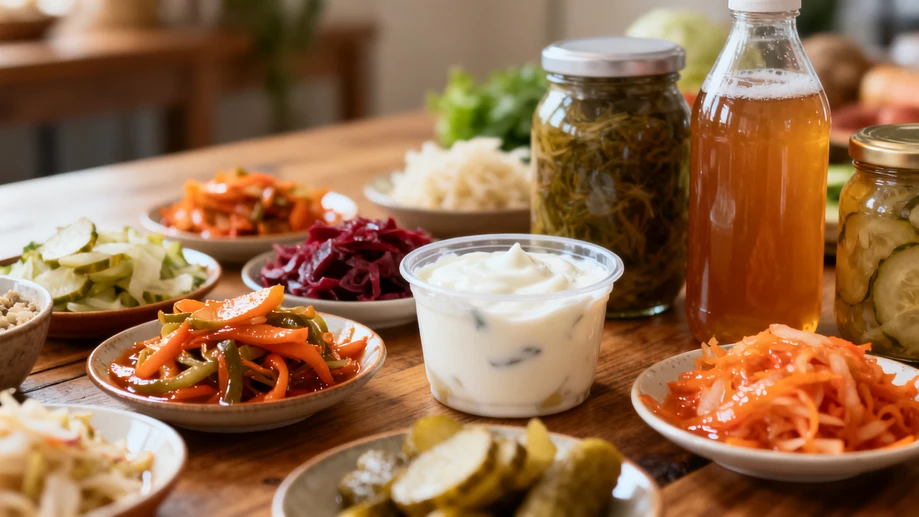
Fermented Foods Naturally Enhance Your Gut Health
Discover how ancient fermentation techniques unlock probiotics that support digestion and overall wellness in modern diets.
Fermented foods have been a cornerstone of human nutrition for millennia, transforming simple ingredients like cabbage or milk into tangy delights such as sauerkraut and yogurt through natural bacterial processes. This age-old method not only preserves food but also enriches it with live microorganisms, offering a delicious solution to today's digestive challenges. As modern diets shift towards processed options, the revival of these traditional foods represents a return to gut-friendly eating that feels both nostalgic and revolutionary. The science behind fermentation is straightforward: beneficial bacteria consume sugars, producing acids and gases that create an environment hostile to harmful pathogens while boosting nutritional value. This introduction sets the stage for exploring why these foods are more than just culinary curiosities—they are vital allies in maintaining health.
Beyond their flavorful appeal, fermented foods play a pivotal role in nurturing the gut microbiome, a complex ecosystem of trillions of bacteria that influences everything from digestion to immune defense. When this delicate balance is disrupted by factors like stress or poor diet, it can lead to discomfort such as bloating or more serious issues like inflammation. However, the probiotics in fermented items act as reinforcements, helping to restore harmony and strengthen the intestinal barrier. This connection highlights how a healthy gut isn't just about avoiding illness—it's foundational to energy levels, mood regulation, and even cognitive function. By understanding this symbiotic relationship, we can appreciate fermented foods not as mere supplements but as essential components of a holistic approach to well-being.
The benefits of incorporating fermented foods extend far beyond basic digestion, with research showing they can reduce chronic inflammation and improve nutrient absorption. For example, the lactic acid bacteria prevalent in items like kimchi or kefir produce compounds that inhibit harmful microbes, while enhancing the bioavailability of vitamins and minerals from other foods. Regular consumption has been linked to lower risks of gastrointestinal disorders and stronger immune responses, as these probiotics colonize the gut and outcompete undesirable strains. What's fascinating is that this process occurs naturally without artificial additives, making fermented options a sustainable choice for long-term health. Moreover, studies indicate that diverse gut flora fostered by such foods may contribute to weight management and reduced allergy symptoms, underscoring their multifaceted impact on daily life.
Integrating fermented foods into daily routines is surprisingly simple and adaptable to various tastes and lifestyles. Start with accessible options like plain yogurt or pickled vegetables, aiming for small, consistent servings to allow the gut to adjust gradually. Homemade versions, such as fermenting cabbage at home, offer cost-effective and customizable alternatives that avoid preservatives found in store-bought products. For those new to fermentation, begin with milder items like kombucha or miso soup before progressing to stronger flavors; pairing them with fiber-rich foods like whole grains can amplify their benefits by feeding the probiotics. This practical approach ensures that improving gut health doesn't require drastic changes—it's about making mindful swaps that enrich meals while supporting bodily functions.
Embracing fermented foods is a rewarding step towards sustainable health, empowering individuals to take control of their digestive wellness through delicious, natural choices. By prioritizing these items in your diet, you invest in a resilient microbiome that bolsters overall vitality, from sharper mental clarity to enhanced immunity. This journey isn't just about what you eat—it's a celebration of ancient wisdom meeting modern science, proving that small dietary shifts can yield profound, lasting benefits. So why not start today? A dollop of yogurt or a scoop of sauerkraut could be your first taste of a healthier, happier gut.