
The Sweet Secret to Steady Energy: How Low GI Foods Keep Your Blood Sugar Balanced
Discover the science behind glycemic index and learn practical tips to incorporate low-GI foods into your daily meals for better health.
Imagine your energy levels as a rollercoaster – thrilling climbs followed by crashing drops that leave you reaching for sugary snacks. This exhausting cycle often stems from blood sugar spikes triggered by common foods. The solution isn't deprivation but understanding a powerful tool: the glycemic index (GI). This simple measurement reveals how quickly carbohydrates turn into glucose in your bloodstream, acting like a roadmap for sustained vitality. By choosing low-GI options, you transform that energy rollercoaster into a smooth, scenic train ride through your day.
So, what exactly is the glycemic index? It ranks carbohydrate-containing foods on a scale from 0 to 100 based on their immediate impact on blood sugar levels. High-GI foods like white bread or sugary cereals score above 70, causing rapid glucose surges that demand quick insulin responses. Medium-GI foods fall between 56 and 69. The real stars for stable energy are low-GI foods scoring 55 or below. These complex carbohydrates digest slowly, releasing glucose gradually like a time-release capsule. This measured delivery prevents the sharp peaks and valleys, offering a consistent fuel supply that keeps fatigue and cravings at bay.
Embracing low-GI foods delivers remarkable benefits beyond steady energy. Research consistently shows they help manage appetite by promoting fullness for longer periods, naturally reducing calorie intake. They also improve insulin sensitivity over time, lowering diabetes risk. For those already managing blood sugar concerns, low-GI eating becomes a crucial ally. Furthermore, this sustained energy release enhances mental clarity and physical endurance. Picture tackling a challenging work project or a long workout without the dreaded mid-afternoon slump – that's the low-GI advantage in action.
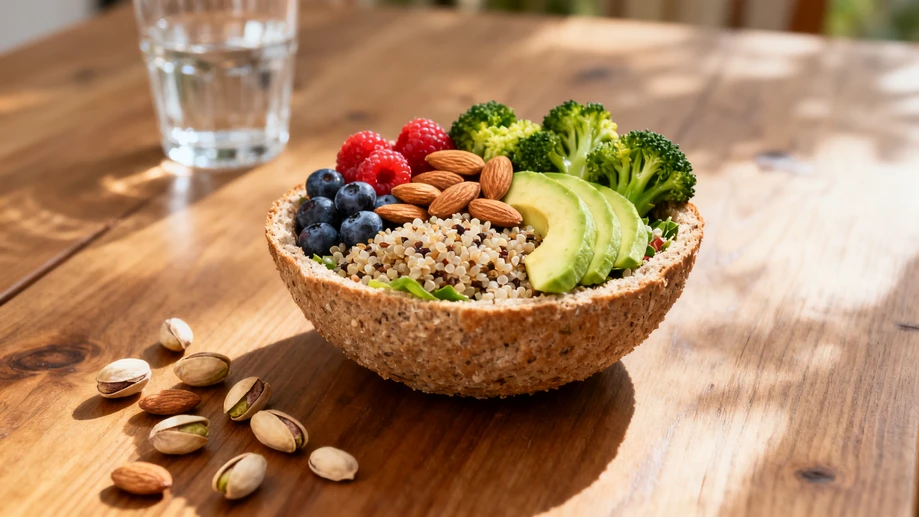
Incorporating low-GI foods is surprisingly simple and delicious. Start with whole grains like steel-cut oats, barley, or quinoa instead of refined cereals. Most fruits and non-starchy vegetables are excellent low-GI choices – think apples, berries, broccoli, and leafy greens. Legumes such as lentils, chickpeas, and kidney beans are nutritional powerhouses with very low GI scores. Even pasta, when cooked al dente and paired with vegetables and protein, can have a moderate impact. The key lies in combining foods: pairing a high-GI item with healthy fats, protein, or fiber-rich vegetables significantly lowers the overall glycemic response of the meal.
Making low-GI eating a sustainable habit requires practical strategies. Begin breakfast with Greek yogurt topped with nuts and berries instead of sugary pastries. Choose whole fruit over juice for snacks. When preparing meals, focus on incorporating more vegetables and legumes. Reading labels helps identify hidden sugars in sauces and processed foods. Remember, cooking methods matter too – slightly undercooking pasta and potatoes lowers their GI. This approach isn't about strict rules but creating balanced, satisfying meals that naturally stabilize your blood sugar, empowering you to feel energized and in control throughout your day.