
The Hidden Power of Antioxidants in Everyday Foods
Discover how natural compounds in common ingredients combat cellular damage and boost vitality through simple dietary choices
Imagine microscopic warriors patrolling your bloodstream, neutralizing invisible threats that accelerate aging and disease. These guardians exist not in science fiction, but within the vibrant colors of your fruits and vegetables. Antioxidants, naturally occurring compounds in plant-based foods, serve as our body's frontline defense against oxidative stress. This biological phenomenon occurs when unstable molecules called free radicals outnumber the body's natural defenses, leading to cellular damage linked to chronic inflammation and various health concerns. The remarkable truth lies in how accessible these protective agents are, residing abundantly in ordinary kitchen staples rather than exotic supplements.
Free radicals form constantly through natural metabolic processes and environmental exposures like pollution or UV radiation. While our bodies produce some antioxidants internally, external sources from food become crucial reinforcements. What makes dietary antioxidants extraordinary is their diverse mechanisms. Some directly neutralize free radicals by donating electrons, while others work behind the scenes by supporting the body's own antioxidant enzyme systems. This multi-layered protection explains why no single "miracle" antioxidant exists; rather, a symphony of different compounds provides comprehensive defense. The synergy between them creates a more powerful effect than any isolated nutrient could achieve alone.
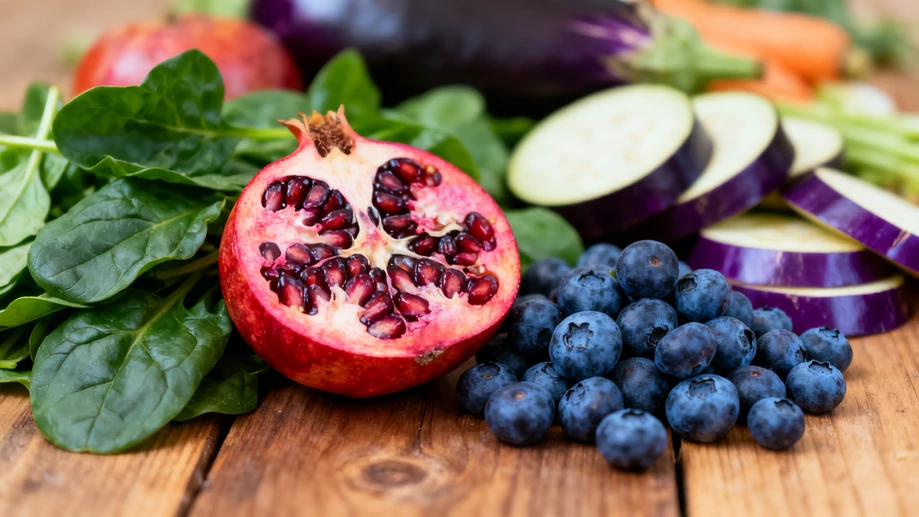
Surprisingly potent sources often go overlooked in daily meals. While berries frequently steal the antioxidant spotlight, humble ingredients offer equally impressive benefits. Consider the unassuming artichoke, ranking among the highest antioxidant-containing vegetables, or the cloves in your spice rack bursting with protective compounds. Even a morning cup of coffee contributes significant antioxidants to the average diet. The key lies in color diversity: deep purple eggplants contain nasunin protecting brain cells, orange sweet potatoes deliver beta-carotene for eye health, and dark leafy greens offer lutein shielding our vision. Each pigment represents a unique class of antioxidants with specialized protective functions.
Preparation methods dramatically influence antioxidant availability, creating fascinating nutritional alchemy. Cooking tomatoes breaks down cell walls, making lycopene more bioavailable than in raw fruits. Steaming cruciferous vegetables like broccoli enhances sulforaphane formation, while overheating can destroy heat-sensitive compounds like vitamin C. Interestingly, pairing certain foods unlocks greater benefits; the vitamin C in bell peppers significantly boosts iron absorption from spinach. This nutritional interplay reveals that mindful preparation matters as much as ingredient selection when maximizing antioxidant potential from everyday meals.
Emerging research continues to reveal unexpected dimensions of these compounds. Beyond cellular protection, antioxidants demonstrate remarkable adaptogenic qualities—helping the body manage physiological stress. Flavonoids in dark chocolate and tea appear to support blood vessel flexibility, while the resveratrol in grape skins influences longevity pathways at the cellular level. The gut microbiome also interacts uniquely with plant antioxidants, converting them into metabolites with distinct protective effects. This evolving science underscores why whole foods outperform supplements; the complex matrix of fibers, vitamins, and phytonutrients in an apple enables antioxidant activity that isolated extracts cannot replicate.
Regularly incorporating diverse antioxidant sources yields tangible benefits beyond disease prevention. Many report noticeable improvements in energy levels and skin vitality within weeks of dietary adjustments. This occurs as reduced oxidative stress allows cells to function more efficiently, directing energy toward repair and renewal rather than constant damage control. Visible changes like brighter complexion often manifest before internal biomarkers shift, serving as encouraging feedback. Such observable effects transform antioxidant consumption from abstract health advice into a personally verifiable wellness strategy grounded in everyday food choices.
Embracing antioxidant-rich eating requires no drastic overhaul but rather strategic enhancements to familiar dishes. Sprinkle walnuts over oatmeal for ellagic acid, stir turmeric into scrambled eggs for curcumin, or add canned tomatoes to soups for accessible lycopene. Seasonal eating naturally boosts variety, as different produce peaks at various times with distinct protective compounds. Rather than pursuing perfection, focus on cumulative diversity. Each colorful addition builds the body's resilience over time, proving that powerful medicine indeed grows in gardens, not just pharmacies.