
Fermented Foods Cultivate a Thriving Gut Garden Inside You
Discover how these ancient culinary traditions unlock the secret to digestive wellness and immune resilience through microbial alchemy
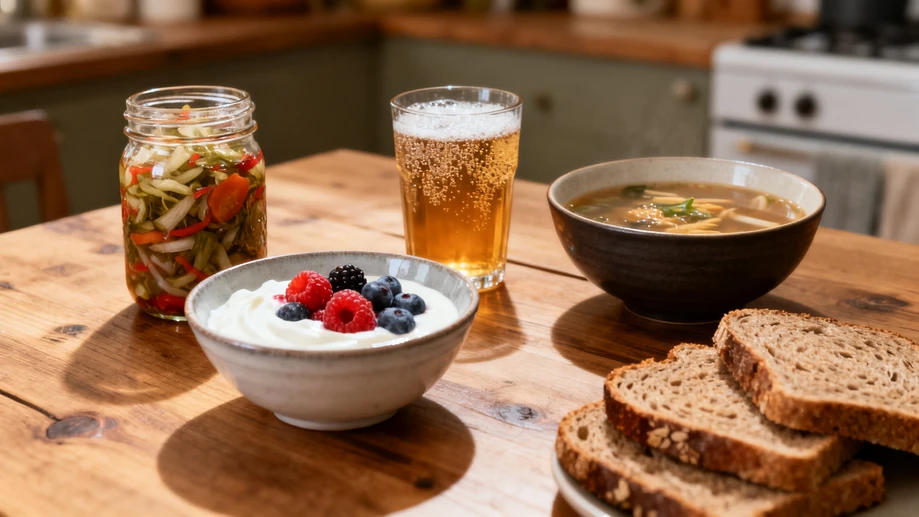
Pickles bobbing in brine, tangy yogurt, fizzy kombucha, or earthy miso soup – fermented foods are far more than just flavorful culinary staples enjoyed across countless cultures for millennia. These transformed ingredients represent an ingenious, natural form of food preservation that predates modern refrigeration by thousands of years. Our ancestors, through trial and accidental discovery, harnessed the power of invisible microorganisms to extend the shelf life of perishable goods like milk, vegetables, beans, and grains. This microbial magic not only prevented spoilage but dramatically altered the taste, texture, and crucially, the nutritional profile of the original ingredients. The tang, the fizz, the complex umami notes – these sensory signatures are all products of a bustling microscopic workforce we now recognize as essential allies in human health.
The transformation from cabbage to sauerkraut or milk to kefir is orchestrated by beneficial bacteria and yeasts during the anaerobic process of fermentation. These microorganisms, primarily lactic acid bacteria like Lactobacillus and Bifidobacterium strains, feast upon the natural sugars and starches present in the food. As they consume these nutrients, they produce various metabolic byproducts: lactic acid, acetic acid, carbon dioxide, and alcohol, among others. It is this lactic acid, in particular, that lowers the pH of the environment, creating an acidic bath hostile to pathogenic bacteria responsible for spoilage and foodborne illness. This controlled microbial activity doesn't just preserve; it bio-enriches the food, generating vitamins like B12 and K2, breaking down hard-to-digest compounds, and creating unique bioactive peptides not found in the raw ingredients.
While preserving food was the initial triumph, the most profound impact of consuming fermented foods lies deep within our digestive tract. Consuming these live-culture foods introduces billions of these beneficial microorganisms, often termed probiotics, into our gut ecosystem. The human gut houses trillions of microbes, collectively known as the gut microbiota, a complex community playing a far more critical role than simply aiding digestion. This internal "garden" influences metabolism, synthesizes essential vitamins, trains our immune system, and even communicates with our brain via the gut-brain axis. Maintaining a diverse and balanced microbiota is fundamental to overall health, and disturbances in this balance are increasingly linked to conditions ranging from irritable bowel syndrome and allergies to obesity and mood disorders.
Regular consumption of fermented foods acts like a nourishing rain for this internal garden, fostering microbial diversity and resilience. The live probiotics introduced directly supplement the gut population, while the fermentation metabolites serve as prebiotics – specialized fibers that act as fuel for our existing beneficial bacteria, encouraging their growth and activity. This dual action helps strengthen the gut lining, reducing intestinal permeability, a key factor in systemic inflammation. Furthermore, studies suggest that diets rich in fermented foods correlate with reduced markers of inflammation, enhanced immune response modulation, and even potential improvements in mental well-being, likely mediated by the constant biochemical dialogue between the gut microbes and the brain. The specific strains and their effects can vary widely depending on the food and its preparation, but the overarching benefit is a more robust and harmonious gut environment.
Incorporating a variety of fermented foods into a daily diet is a delicious and accessible strategy for nurturing gut health. Simple choices like adding a spoonful of kimchi to a rice bowl, enjoying unsweetened yogurt with berries, sipping on kombucha, using miso paste in dressings or soups, or opting for traditionally baked sourdough bread can make a significant difference over time. It’s important to seek out products that contain live and active cultures, often found in the refrigerated section, or to explore the rewarding practice of home fermentation. As research continues to unravel the intricate connections between our diet, gut microbes, and health, these ancient, microbial-powered foods stand out as potent allies. By embracing fermented foods, we actively participate in cultivating a thriving inner ecosystem, fostering a profound foundation for lasting vitality and resilience.