
Have You Been Eating Your Daily Meals All Wrong Without Noticing It
This approachable, fun deep dive into common daily diet habits reveals tiny, actionable adjustments that support steady energy and long term health without strict restrictive diet rules
Millions of people walk through their days following seemingly normal eating routines without realizing small unnoticeable missteps are quietly dragging down their energy levels, messing with their sleep quality, and leading to random mid-afternoon cravings that feel impossible to resist. You might grab a flavored granola bar from the office pantry for a quick snack between meetings, pour yourself a bottle of fruit punch to wash down lunch, and pat yourself on the back for “staying on track” because you did not eat a whole bag of chips that day, but these seemingly harmless choices pile up over weeks and months to create unintended effects on your body that you never connected to your eating habits. Most of these common missteps are not something you should feel guilty about, because they are pushed by food marketing that frames highly processed products as healthy, convenient, and nutrient dense for busy people who do not have extra time to cook elaborate meals.
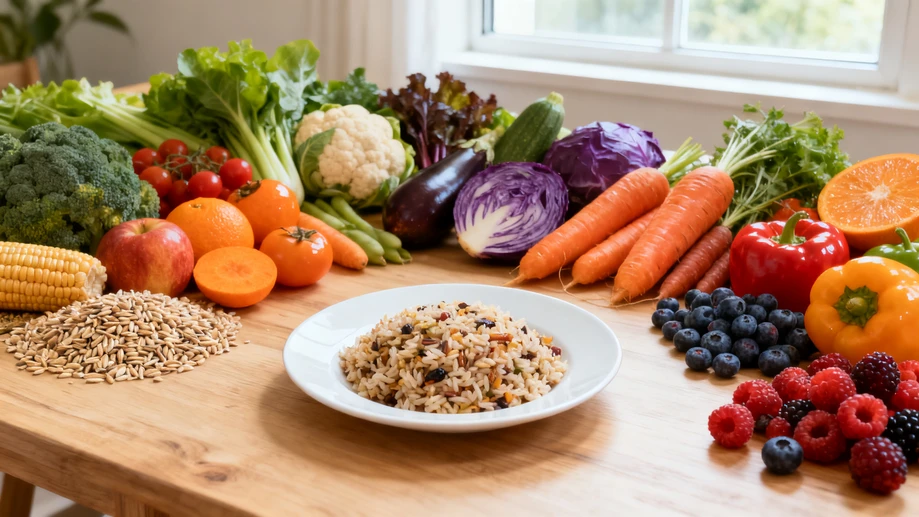
One of the most widespread misbeliefs that trips people up is that cutting all starchy staple foods out of your diet will automatically lead to better health and faster weight management. A lot of people swap their usual bowl of rice for a plate of plain salad at lunch, only to find themselves crashing hard two hours later, unable to focus on their work and hunting for any sugary snack they can find to get a quick burst of energy. The real issue is not the staple foods themselves, but the fact that most people only eat highly refined staple options stripped of all fiber and micronutrients, like white bread, polished white rice, and instant noodles that turn into blood sugar very quickly after you swallow them. Making one tiny simple swap, such as mixing a small handful of rolled oats or cooked quinoa into your usual white rice before steaming it, or choosing whole wheat bread that lists whole wheat as its first ingredient instead of the bleached white version, will slow down the digestion process significantly, keeping your blood sugar stable so you can stay full and focused for three to four hours after a normal sized meal.
Another common unnoticed mistake is the way people prepare and consume vegetables, thinking that any amount of greens automatically counts as a full healthy serving. A lot of people munch on raw carrot sticks or plain raw bell pepper slices for their afternoon snack thinking they are absorbing all the good nutrition those veggies have to offer, but many fat soluble nutrients in bright colored produce, including beta carotene in orange carrots, lycopene in red tomatoes, and vitamin K in dark leafy greens, can only be properly absorbed by your body when they come into contact with a small amount of healthy fat. That does not mean you need to douse every vegetable in oil to get the benefits, you only need a tiny drizzle of olive oil on your salad, a few thin slices of avocado on top of your roasted veggies, or a handful of crushed nuts sprinkled over your steamed spinach to unlock almost all of the hidden nutrition that would otherwise pass right through your digestive system unused. You also do not need to stick to only green vegetables to get a full spectrum of nutrients, adding purple cabbage, golden sweet potato, bright red cherry tomatoes and deep blue berries to your regular rotation gives your body a wide range of antioxidants that support immune function and keep your skin and organs working smoothly.
Many people also never pay attention to their eating pace, scrolling through social media shows or work emails while they chew, finishing an entire full meal in less than 10 minutes without even tasting half of what they ate. Your brain needs roughly 20 full minutes to receive the full signal of satiety from your digestive system, so if you finish your entire meal before that 20 minute mark hits, you will end up eating far more food than your body actually needs before your brain can tell you that you are already full. Slowing down your eating pace by putting down your fork between bites, chewing each mouthful 15 to 20 times, and pausing for a few minutes halfway through your meal to sip some plain water can cut your total calorie intake at that meal by roughly 20 percent without you feeling any less satisfied after you finish. It is also a good habit to avoid drinking very icy cold beverages immediately right after you finish a hot meal, as the sudden sharp temperature drop will slow down the activity of digestive enzymes in your stomach, leading to bloating, mild indigestion and that heavy uncomfortable feeling that lingers for hours after you finish eating.
You do not need to spend hundreds of dollars on expensive exotic superfoods, follow extreme crash diet plans, or cook complicated fancy meals for every single bite you eat to build a healthy sustainable diet. All the most effective adjustments you can make are tiny, low cost, and fit right into your existing daily routine without forcing you to make huge life overhauls. It is completely fine to treat yourself to a plate of fried chicken, a creamy milk tea or a sweet slice of cake on weekends to celebrate good news or hang out with friends, there is no need to chase a perfect 100 percent clean eating routine that leaves you burnt out and unhappy. As long as you stick to these small smart eating habits for most of your meals through the week, you will notice your energy levels get steadier, your random midday cravings fade away, and your overall physical comfort improves gradually after just two to three weeks of consistent practice.