
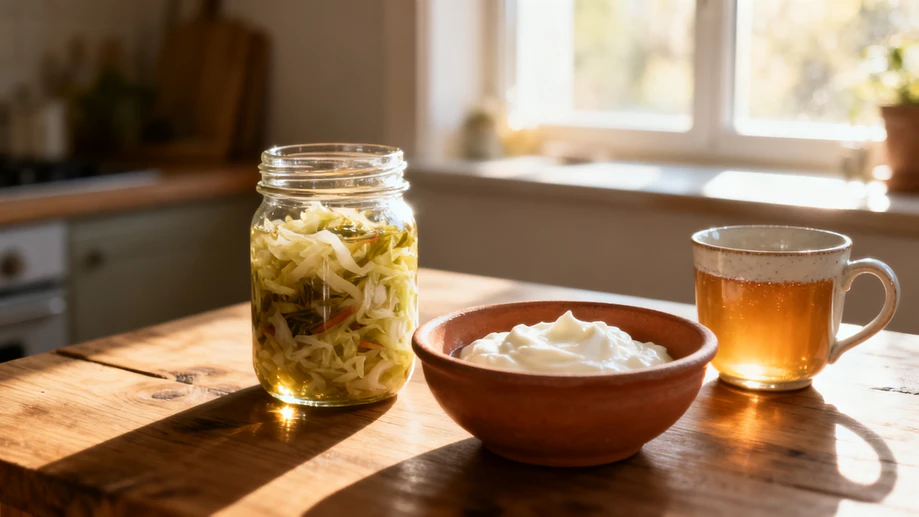
Fermented Foods Are Secret Allies for Your Digestive System
Discovering the microscopic world in your kitchen that transforms ordinary ingredients into gut-boosting powerhouses.
Imagine a bustling city within you, teeming with trillions of microorganisms working tirelessly to maintain order. This metropolis isn't a sci-fi creation but your gut microbiome, an ecosystem whose health directly impacts everything from immunity to mood. We often overlook the humble warriors maintaining this balance: fermented foods. These culinary creations undergo a fascinating transformation where microorganisms convert sugars into acids or alcohol, creating unique flavors while packing a probiotic punch that nourishes our inner world.
The fermentation magic happens through lactobacillus, bifidobacteria, and other beneficial microbes consuming natural sugars. As they feast, they produce lactic acid and other compounds that preserve food while generating billions of living probiotics. These microorganisms survive the stomach's harsh environment and colonize the intestines, reinforcing the gut's protective lining. This biological reinforcement serves as a formidable barrier against pathogens, effectively crowding out harmful bacteria competing for space and resources in your digestive tract.
Research continues to reveal connections between fermented food consumption and measurable health benefits. Regular intake correlates with reduced inflammation markers and improved immune responses documented in cellular studies. Moreover, scientists observe that these foods assist in breaking down complex nutrients, enhancing the bioavailability of vitamins and minerals. The fermentation process itself often increases levels of B vitamins and produces enzymes that aid digestion, making nutrients more accessible than in their unfermented counterparts.
Diverse cultures have harnessed this microbial alchemy for centuries through distinct culinary traditions. Korean kimchi combines fermented cabbage with spices, while Eastern European kvass ferments rye bread into a tangy beverage. Yogurt cultures milk with bacterial strains that convert lactose into digestible components, offering solutions for lactose-sensitive individuals. Even simple sourdough bread relies on wild yeast fermentation, predating commercial baker's yeast with its complex microbial ecosystem contributing to both flavor and digestibility.
Introducing fermented foods requires gradual incorporation to allow gut microbiota adjustment. Sudden large quantities may cause temporary bloating as your microbiome adapts. Aim for daily diversity rather than volume—a tablespoon of sauerkraut with meals, a small serving of plain kefir, or miso in soups establishes consistent probiotic intake. Refrigeration halts fermentation, preserving live cultures in store-bought versions; homemade batches often maintain higher microbe counts when properly prepared in sterilized containers.
Modern lifestyles undermine our microbial allies through antibiotics, processed foods, and excessive sanitation. Fermented foods offer a delicious counterbalance, restoring microbial diversity eroded by contemporary habits. Their natural preservation also reduces food waste, aligning with sustainable eating principles. Beyond tangible health metrics, regularly consuming these living foods fosters a deeper appreciation for food as medicine—a tradition reclaiming its place in nutrition science.