
Why do your seemingly healthy snacks secretly make you hungrier an hour later
We unpack common hidden diet traps you encounter in daily life that drain your energy and leave you craving more food despite your best efforts to eat well
Have you ever finished a whole "low-calorie" granola bar, a bottle of "zero-sugar" flavored yogurt, or a bag of baked vegetable chips that you picked up specifically to stick to your healthy eating plan, only to find yourself staring into your kitchen pantry an hour later hunting for something else to eat? A lot of people blame this constant lingering hunger on their own bad willpower, but the truth is far less personal, and far more tied to the small, intentional tweaks food manufacturers make to common "healthy" products that fly under most shoppers’ radars. Many of these items are marketed as better alternatives to sugary candy and fried potato chips, but they are engineered to bypass the body’s natural fullness signals, leaving your brain convinced it still has not consumed enough fuel even after you have taken in hundreds of calories. The result is a cycle of constant snacking that leaves you feeling sluggish, frustrated, and confused about why all your attempts to eat more nutritiously never seem to stick.
Most of these hidden traps rely on a simple trick that does not require any fancy new technology to pull off: they separate flavor and texture from the whole food matrix that would normally trigger your body to feel satisfied. For example, a strawberry flavored zero-sugar yogurt may have less than 1% actual strawberry content, with all of its bright, fruity taste coming from a carefully blended mix of natural identical flavors and modified sweeteners that hit your taste buds fast, but fade from your palate almost immediately. Your brain registers the sweetness, but never gets the accompanying fiber, small amounts of fruit fat, and slow release of natural sugars that would tell it you have eaten something substantial. The same goes for dried vegetable chips that have been coated in maltodextrin and artificial seasoning to make every crunch taste identical: without the structural fiber of a whole unprocessed vegetable to slow digestion, all the calories hit your bloodstream at once, spiking your blood sugar before it crashes hard 60 to 90 minutes later, sending a powerful hunger signal straight to your brain. You did not fail at healthy eating, the product was designed to make you want more of it.
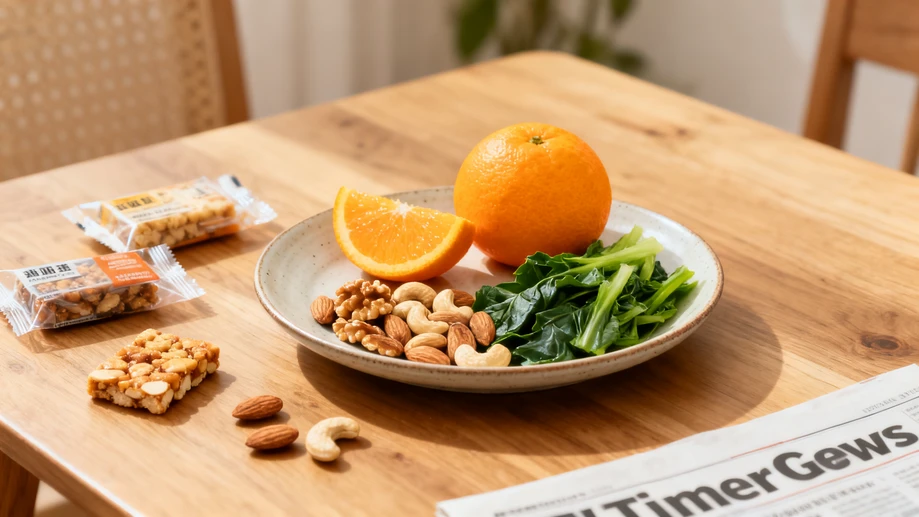
The good news is you do not have to memorize complicated nutrition math or cut out all your favorite convenient foods to avoid these traps. You can build consistent, sustainable eating habits with three tiny, low-effort rules that fit right into even the busiest daily schedule. First, before you drop any packaged snack into your cart, glance at the first three ingredients printed on the label. If two or more of those names sound like something you could not find in a regular home kitchen pantry, put the item back on the shelf, no further calculation needed. Second, swap out one of your usual processed snacks a day for a single whole food alternative: instead of that granola bar, grab a small handful of unsalted roasted almonds, instead of the baked veggie chips, take a whole crisp apple to work. This tiny change does not cut out any meaningful amount of calories from your day, but it adds back the intact fiber that slows digestion and keeps you full for 2 to 3 hours longer than the processed alternative. Third, sip a small glass of plain water 10 minutes before you reach for any snack, because more than 30% of the time, the "hunger" you feel after a light meal is actually mild dehydration that your brain mislabels as a craving for food.
There is another underrated daily eating trick that requires no extra spending and no special preparation, and it can cut your post-meal blood sugar spikes by nearly 40% for most people. All you have to do is change the order you eat the food on your plate. Instead of starting with a big mouthful of rice, noodles, or bread as most people naturally do, take two or three bites of non-starchy vegetables first, then eat your portion of protein like chicken, beans, or tofu, and finish the meal with your starchy carb source. This simple order change lines up the digestion speed of different nutrients so that the fiber from vegetables creates a soft gel layer in your gut that slows the absorption of carbohydrates, preventing that sharp mid-afternoon energy crash that makes you reach for a chocolate bar to get through the rest of your workday. It works even if you are eating takeout for lunch, and it does not require you to leave any food off your plate or cut out your favorite side dishes entirely.
One of the biggest unnecessary myths around healthy eating is that you have to chase some perfect "clean" diet that never allows for treats or convenience. No one needs to turn down a slice of birthday cake at a friend’s party, or skip a casual fast food meal on a busy road trip to be considered a person who eats well. What matters far more than those occasional small indulgences is the pattern of the small daily choices you make, because those are the choices that add up to your long term energy levels, mood stability, and overall physical comfort. Healthy eating is not a form of self punishment, or a test you have to pass to earn some kind of perfect body. It is just a set of tiny, easy adjustments you can make to your routine to make sure you have enough steady energy to finish your work, go for a walk with people you care about, and spend time on your favorite hobbies without being dragged down by random spikes and crashes of hunger that pop up out of nowhere.