
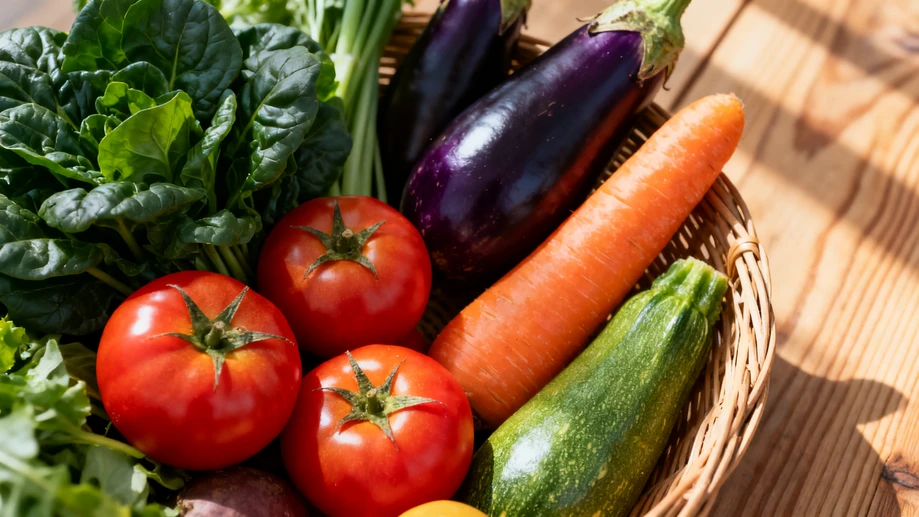
The Hidden Health Secrets in the Colors of Your Vegetables
Discover how the vibrant pigments in your greens, reds, and purples do more than please the eye—they protect your body.
Have you ever paused to admire the brilliant hues of fresh produce at a farmers market? Those vivid colors aren't just nature's decoration; they're powerful chemical compounds with extraordinary health benefits. Scientists now understand that the same pigments giving vegetables their distinctive colors act as protective shields for our cells. This colorful defense system works tirelessly against inflammation and chronic diseases, making every shade on your plate a potential health ally. The deeper and richer the vegetable's color, the higher its concentration of these protective phytochemicals often proves to be.
Consider humble green vegetables like spinach and broccoli. Their emerald tones come from chlorophyll, the miraculous molecule that captures sunlight for plant energy. When we consume these greens, we're not just getting vitamins; we're ingesting compounds shown to enhance DNA repair and detoxify harmful substances in our bodies. Cruciferous vegetables contain sulforaphane, a sulfur-rich compound that activates over 200 protective genes. Interestingly, chopping these vegetables and letting them rest for ten minutes before cooking significantly increases sulforaphane availability—a simple kitchen trick with profound biological implications.
Transitioning to warmer tones, red and orange vegetables like carrots and tomatoes owe their brilliance to carotenoids. These fat-soluble pigments function as potent antioxidants, neutralizing free radicals that accelerate aging. Beta-carotene converts to vitamin A, essential for vision and immune function, while lycopene in tomatoes has demonstrated remarkable protective effects against certain cancers. Cooking actually enhances lycopene absorption, breaking down cell walls to release more of this beneficial compound. Pairing these vegetables with healthy fats like olive oil further boosts nutrient absorption, creating powerful nutritional synergy.
Perhaps most intriguing are the deep blues and purples found in eggplants and purple cabbage. These dramatic shades come from anthocyanins, pigments that respond to environmental stressors by creating protective compounds that benefit humans too. Research reveals these molecules can cross the blood-brain barrier, potentially protecting neurons and improving cognitive function. Population studies consistently show that people consuming anthocyanin-rich foods have lower rates of heart disease. The anti-inflammatory effects are so significant they rival some pharmaceutical interventions, offering protection without adverse side effects when consumed as whole foods.
While understanding these colorful benefits is valuable, practical application matters most. Combining different colored vegetables creates a powerful nutritional orchestra where compounds work synergistically. The fiber in these vegetables feeds beneficial gut bacteria that transform plant pigments into even more bioavailable compounds. Regular consumption creates cumulative protection, reducing risks for chronic conditions while naturally lowering inflammation markers. This nutritional approach represents one of the most accessible preventive health strategies available, turning every meal into an opportunity to invest in long-term vitality through nature's vibrant palette.