
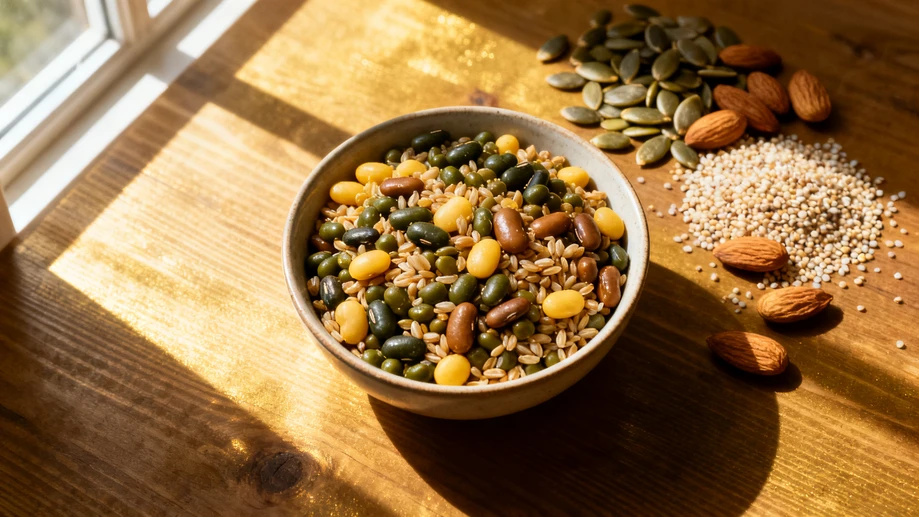
Unlock the Power of Protein Pairing for Maximum Muscle Fuel
Discover how strategic food combinations can transform ordinary ingredients into complete protein powerhouses
Have you ever wondered why some cultures instinctively pair rice with beans or hummus with pita bread? These traditional combinations hold a nutritional secret that modern science now confirms: the magic of protein complementation. When we strategically combine plant-based proteins from different food groups, we create complete protein profiles that rival animal sources. This culinary alchemy transforms humble ingredients into muscle-building powerhouses, offering vegetarians and meat-eaters alike a delicious path to optimal nutrition.
Understanding this biological puzzle requires knowing that proteins are built from twenty amino acids, nine of which our bodies cannot produce independently. While animal proteins contain all essential amino acids in proper proportions, most plant sources lack one or more critical components. Grains often fall short in lysine but contain methionine, while legumes boast abundant lysine but lack methionine. The solution emerges when we pair these complementary sources, creating a synergistic nutritional effect greater than the sum of its parts.
Consider the classic combination of rice and beans, a staple across Latin America and Asia. Alone, neither provides complete protein, but together they form a perfect amino acid matrix that supports tissue repair and muscle synthesis. Similarly, Middle Eastern cuisine intuitively pairs chickpeas with sesame seeds in hummus and tahini, while Mediterranean diets combine lentils with whole grain bread. These time-tested traditions demonstrate how culinary wisdom anticipated nutritional science by centuries.
Modern applications extend far beyond traditional pairings. A quinoa and black bean salad delivers all nine essential amino acids in a single bowl, while oatmeal topped with pumpkin seeds creates a breakfast powerhouse. Even simple snacks like whole wheat crackers with peanut butter or yogurt with almonds leverage the complementation principle. The versatility allows endless creativity—imagine lentil soup with barley, or stir-fried tofu with brown rice, each combination closing amino acid gaps.
Implementing protein pairing requires minimal effort but yields maximum benefits. Start by combining any grain with legumes, nuts with seeds, or adding dairy to plant-based meals. The timing matters less than daily balance—our bodies maintain amino acid pools throughout the day. For athletes and active individuals, these combinations provide sustained energy release while supporting recovery. Even occasional meat-eaters benefit from diversifying protein sources to reduce saturated fat intake.
Beyond muscle building, complementary proteins offer unexpected advantages. They typically come packaged with fiber, antioxidants, and micronutrients absent in animal proteins. Studies suggest these plant-based combinations may reduce inflammation markers and improve gut health. Economically, they make high-quality nutrition accessible—beans and grains cost significantly less than meat while offering comparable protein quality when properly paired.
Mastering protein complementation transforms meal planning from nutritional chore to creative adventure. As you experiment with global flavor profiles—Mexican bean burritos, Indian dal with rice, or Asian edamame noodles—you'll discover that building complete proteins naturally leads to more vibrant, diverse, and satisfying meals. The true power emerges not from expensive supplements, but from intelligent combinations of nature's basic ingredients.