
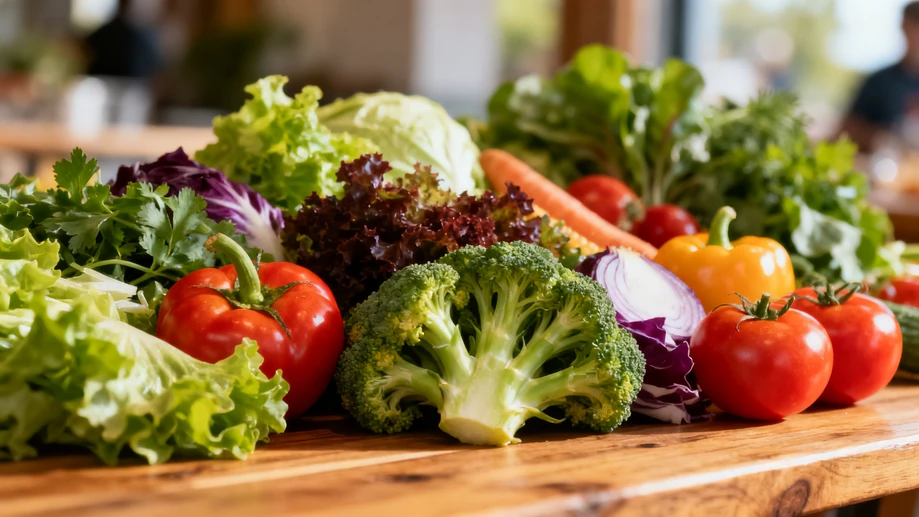
Common Garden Vegetables Pack Antioxidants That Shield You from Chronic Diseases
Discover how everyday vegetables fight oxidative stress to prevent conditions like heart disease and diabetes through simple dietary choices.
Picture your daily meal: a vibrant plate of greens and colors not just pleasing to the eye but actively guarding your health against long-term threats. In our fast-paced world, where processed foods often dominate, returning to humble vegetables offers a powerful defense. These natural wonders are brimming with antioxidants, compounds that might seem invisible yet play a heroic role in warding off chronic illnesses. This isn't just about adding a side salad; it's about embracing a small, transformative knowledge that connects your fork to lifelong wellness. Research consistently shows that diets rich in vegetables correlate strongly with reduced risks of major diseases, making this an urgent topic for anyone prioritizing health. By understanding how antioxidants operate, we unlock a simple strategy to fortify our bodies.
Transitioning from appreciation to science, antioxidants function as the body’s internal warriors against oxidative stress, a silent process linked to chronic conditions. Free radicals, unstable molecules generated from environmental toxins, pollution, or even normal metabolism, can damage cells over time, leading to inflammation and diseases like cancer or Alzheimer's. Antioxidants step in as neutralizers, donating electrons to stabilize these radicals without harm. Vegetables are prime sources; for instance, flavonoids in leafy greens and carotenoids in carrots act as shields. This biological battle isn't abstract—studies reveal that high antioxidant intake lowers markers of oxidative damage, proving that everyday veggies are more than just fiber sources. Indeed, this mechanism explains why populations with vegetable-heavy diets exhibit lower disease rates, turning a simple bite into preventive medicine.
Moreover, specific vegetables amplify this protection with unique antioxidant profiles that target different health risks, building on the foundational science to offer practical benefits. Spinach, packed with lutein, combats eye degeneration and heart issues, while broccoli’s sulforaphane activates detox enzymes to fight cancers. Even humble tomatoes, rich in lycopene, reduce prostate disease risks. These aren't exotic superfoods; they're accessible garden staples that, when consumed raw or lightly cooked, preserve their potency. The key lies in variety—a colorful mix ensures a broad spectrum of antioxidants, each tackling distinct free radicals. This synergy transforms meals into a defense system; imagine a rainbow plate as your armor against aging and illness. Such tangible evidence makes it clear: incorporating these veggies isn't a diet fad but a science-backed habit for resilience.
Despite their potency, maximizing antioxidant benefits requires mindful integration into daily life, shifting from theory to actionable steps. Start by adding one extra serving of vegetables to each meal, focusing on raw or steamed options to avoid nutrient loss. Pairing them with healthy fats, like olive oil on a salad, enhances absorption of fat-soluble antioxidants like beta-carotene. Seasonal choices matter, too—fresh, local produce often packs higher nutrient levels. Importantly, balance is crucial; overwhelming the diet with supplements can backfire, but whole vegetables provide safe, synergistic effects. Gradually, this approach becomes effortless, fostering habits that extend beyond health to environmental sustainability. The journey to prevention begins at the market, proving that small changes yield big rewards in chronic disease defense.
Ultimately, embracing vegetables as antioxidant powerhouses empowers individuals to take control of their health destiny, a crucial step in modern wellness. This knowledge isn't just about avoiding illness; it's about thriving with vitality, reducing reliance on medical interventions. By prioritizing a veggie-rich diet, society can curb rising disease rates, saving healthcare costs and enhancing quality of life. Reflect on this: your next meal could be your strongest ally against chronic threats. Let's celebrate these garden gifts as daily heroes, turning nutrition into prevention and ensuring a healthier future for all.