
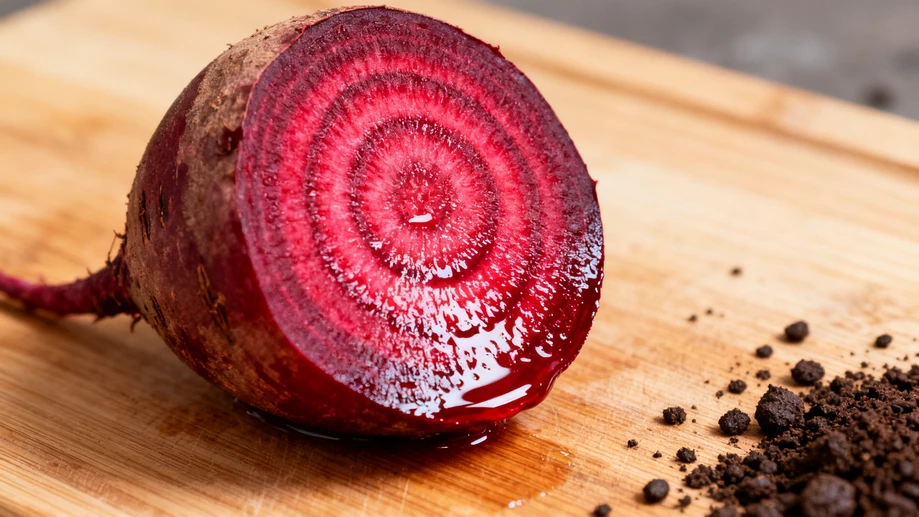
The Unlikely Hero in Your Kitchen Boosting Your Blood Flow Naturally
Discover how common beets transform into nitric oxide powerhouses for better cardiovascular health and endurance.
Deep within the earth grows an unassuming root vegetable with a secret superpower. Its vibrant crimson hue is nature’s neon sign announcing extraordinary nutritional value. While ancient civilizations used it primarily for medicinal purposes, modern science reveals astonishing facts about this humble tuber. Particularly fascinating is its nitrate content – compounds that spark a remarkable biochemical cascade within the human body. This crimson root doesn’t just add color to your salad; it orchestrates a silent revolution within your blood vessels.
What sets this vegetable apart is its unique metabolic journey. Unlike other nutrients directly absorbed into the bloodstream, its nitrates undergo a fascinating transformation. Upon consumption, oral bacteria convert these nitrates into nitrites. Once swallowed and exposed to stomach acid, nitrites further morph into nitric oxide – the very molecule our endothelial cells produce to regulate blood flow. This natural gas then disperses through arteries, triggering immediate physiological responses. It’s essentially a biological shortcut to enhanced circulation without pharmaceutical intervention.
The vascular benefits prove particularly profound. As nitric oxide molecules reach arterial walls, they activate enzymes that relax smooth muscles. This dilation creates wider pathways for blood cells, effectively reducing resistance. Consequently, systolic blood pressure often decreases within hours of consumption – a phenomenon documented in multiple clinical trials. Regular inclusion in diets has shown consistent pressure-lowering effects comparable to some lifestyle modifications. This mechanism explains why athletes increasingly incorporate it into pre-competition routines.
Endurance enhancement represents another remarkable advantage. Studies tracking cyclists discovered those consuming concentrated extracts sustained pedal power longer before exhaustion. Oxygen utilization efficiency increased by up to 20% during submaximal exercise. The explanation lies in reduced oxygen cost: improved blood flow delivers oxygen more effectively to working muscles. Simultaneously, mitochondrial efficiency improves in muscle cells – the very powerhouses generating cellular energy. This dual-action makes it a potent ergogenic aid backed by rigorous sports science research.
Maximizing benefits requires strategic consumption. Raw preparations preserve nitrate concentrations best, though roasting intensifies natural sweetness. Combining it with vitamin C-rich foods like citrus or bell peppers enhances nitrate conversion efficiency. Timing matters significantly – peak nitric oxide production occurs 2-3 hours post-consumption, ideal before workouts. Crucially, avoid antibacterial mouthwashes during this window since oral bacteria initiate the conversion process. Moderation remains key, as excessive intake may cause temporary discoloration of urine – a harmless but startling side effect reminding you of its journey through your system.