
The Silent Warriors in Your Salad Bowl Fighting Cellular Damage Daily
Unlocking How Ordinary Vegetables Deploy Antioxidants to Combat Aging from Within
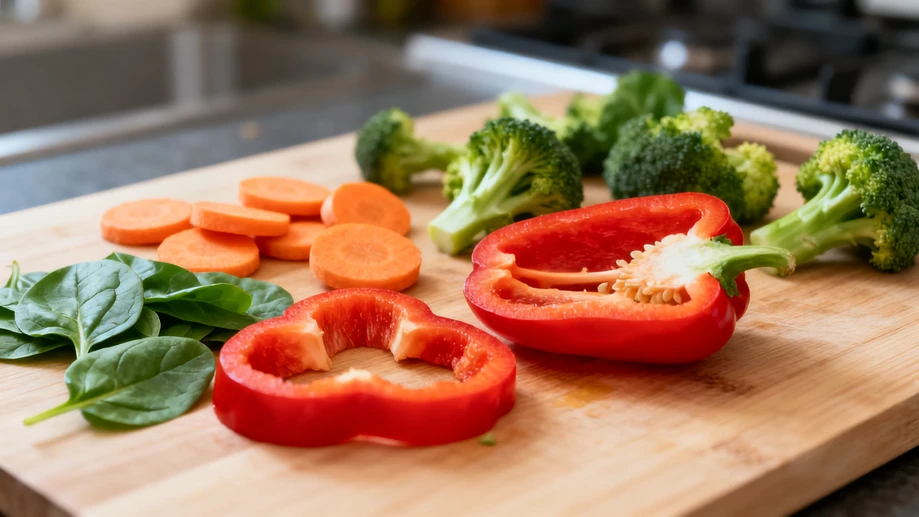
While many chase youth through serums and supplements, an unassuming army battles aging inside your refrigerator. Crunchy carrots, vibrant spinach, and humble broccoli contain biochemical warriors – antioxidants – that wage daily war against cellular damage. These natural compounds function like microscopic bodyguards, neutralizing free radicals generated by pollution, stress, and metabolism before they sabotage your DNA. Each bite of vegetable becomes a strategic defense mission, operating silently within your bloodstream where no cosmetic cream can reach. This invisible warfare explains why populations consuming abundant produce consistently show slower biological aging markers.
Understanding free radicals is crucial to appreciating vegetables' heroic role. These unstable molecules, missing an electron, steal from healthy cells in destructive chain reactions. Left unchecked, they accelerate wrinkles, weaken immunity, and damage tissues. Enter antioxidants: stable compounds that generously donate electrons to stabilize free radicals without becoming threats themselves. Vegetables produce these substances naturally as protective mechanisms against environmental stressors. When we consume them, we essentially outsource this cellular protection. The synergy between different antioxidants – like vitamin C reactivating vitamin E – creates an efficient defense network far superior to isolated supplements.
Not all vegetables deploy identical antioxidant arsenals. Deeply pigmented ones often concentrate the most potent fighters. Purple sweet potatoes contain anthocyanins that protect brain cells from oxidative stress. Kale's deep green signals high levels of lutein and zeaxanthin, antioxidants guarding your eyes against blue light damage. Surprisingly, plain white mushrooms rank among top sources of ergothioneine, an amino acid that preserves mitochondrial function. Incorporating a color spectrum ensures comprehensive protection. A vibrant plate of red bell peppers, orange squash, and dark leafy greens provides a complex cocktail of antioxidants that work synergistically – something pills rarely achieve.
Here's a fascinating nuance: cooking methods dramatically alter antioxidant availability. While heat breaks cell walls to release some compounds, it degrades others. Water-soluble antioxidants like vitamin C leach into boiling water, whereas fat-soluble ones like beta-carotene become more bioavailable when cooked with oil. Interestingly, roasting carrots increases their antioxidant levels by 30% compared to raw. Steaming preserves glucosinolates in cruciferous vegetables better than microwaving. This demonstrates that optimal vegetable preparation isn't universal but requires understanding each vegetable's unique biochemical properties.
Maximizing antioxidant benefits involves more than just quantity. Pairing strategies enhance absorption dramatically. Combining vitamin C-rich tomatoes with iron-packed spinach significantly improves iron uptake. Adding healthy fats to a colorful salad boosts absorption of fat-soluble antioxidants from vegetables like peppers and carrots. Fermentation provides another powerful pathway, as the process increases antioxidant levels in foods like kimchi and sauerkraut. Remember that antioxidants work best within whole foods' complex matrices – fiber and other phytonutrients create a delivery system that isolated extracts cannot replicate. Timing matters too; regular intake maintains consistent antioxidant levels since these compounds flush from your system within hours.
The evidence is overwhelming: populations with high vegetable consumption exhibit lower rates of chronic diseases and longer health spans. While aging remains inevitable, vegetables offer the most accessible toolkit for influencing its trajectory. Each forkful represents thousands of evolutionary years of botanical self-defense mechanisms now working within us. Making vegetables the cornerstone of daily nutrition isn't dieting – it's deploying nature's finest cellular protection brigade. The true fountain of youth may simply be a well-composed compost heap nourishing tomorrow's harvest.