
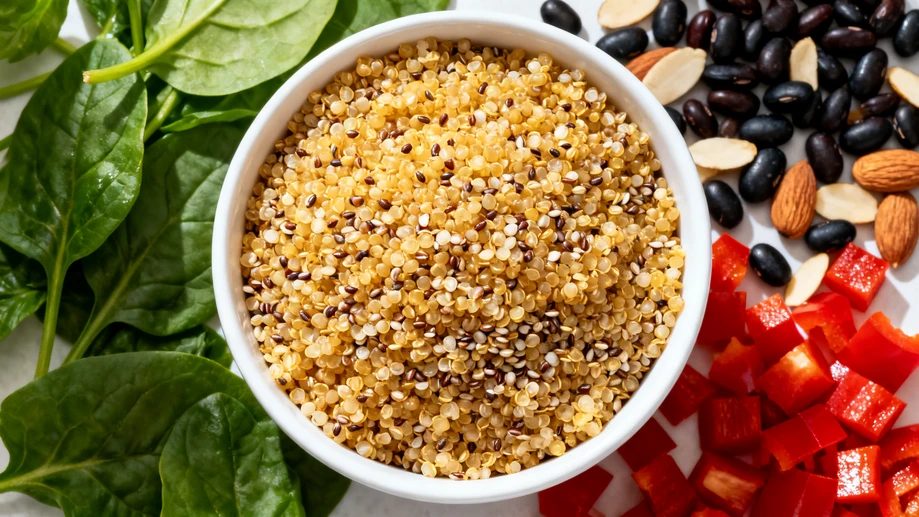
Quinoa Offers Complete Protein That Benefits Muscle and Metabolism
This Tiny Seed Packs All Nine Essential Amino Acids for Vegetarians and Health Enthusiasts Alike
Many people striving for a balanced diet face a persistent protein puzzle. We know protein is crucial for building muscle, repairing tissues, and fueling countless bodily functions. Yet, confusion often reigns about obtaining "complete" protein – especially for those exploring plant-based diets. The belief lingers that animal products are the only reliable source, leaving vegetarians and vegans potentially fretting about nutritional adequacy. This misconception can overshadow the power of certain plant-based foods to deliver all the building blocks we need.
Enter quinoa, the ancient Andean seed often mistaken for a grain. What sets quinoa remarkably apart is its exceptional protein profile. Unlike many plant sources, quinoa contains adequate amounts of all nine essential amino acids that the human body cannot produce itself – it's a complete protein. This puts it in a nutritional league typically dominated by meat, eggs, and dairy. The unique combination found in quinoa includes substantial levels of lysine, an amino acid frequently deficient in plant foods, crucial for tissue growth and repair, and methionine, vital for metabolism and detoxification.
The significance of consuming complete proteins extends far beyond simple nutrient counting. Our bodies synthesize proteins constantly, from enzymes that drive digestion to antibodies that fight infection. When a diet lacks even one essential amino acid, this complex manufacturing process stalls, much like an assembly line missing a vital component. The body can't store amino acids effectively for later use like it does fats or carbohydrates. Instead, it requires a consistent supply of all nine essentials to function optimally. Regular inclusion of complete proteins like quinoa helps ensure this crucial supply chain runs smoothly.
For active individuals, the benefits are particularly pronounced. The branched-chain amino acids (BCAAs) – leucine, isoleucine, and valine – are generously present in quinoa. These act as powerful signals triggering muscle protein synthesis, the process essential for muscle recovery and growth after exercise. Furthermore, the complete amino acid spectrum supports stable energy metabolism. Unlike simple sugars that cause energy spikes and crashes, the protein in quinoa provides sustained fuel, helping to regulate blood sugar levels and keep energy levels consistent throughout the day.
Incorporating quinoa into your diet is remarkably simple and versatile. Its mild, slightly nutty flavor and pleasingly chewy texture make it an adaptable base for countless meals. Cook it as a simple side dish instead of rice or pasta, fluff it into salads for a protein boost, use it as a hearty breakfast porridge topped with fruit and nuts, or even form it into veggie burger patties. Its quick cooking time adds to its convenience. This ease of use makes it a practical choice for anyone seeking to enhance their protein intake without relying solely on animal sources.
Understanding the unique value of quinoa's complete protein empowers smarter dietary choices. It dismantles the outdated notion that plant-based diets inherently lack sufficient protein quality. By choosing nutrient-dense, complete plant proteins like quinoa, individuals can support muscle health, metabolic function, and overall vitality effectively. It’s a small seed offering a substantial solution to the complex puzzle of meeting our essential protein needs, proving that powerful nutrition often comes in unassuming packages.