
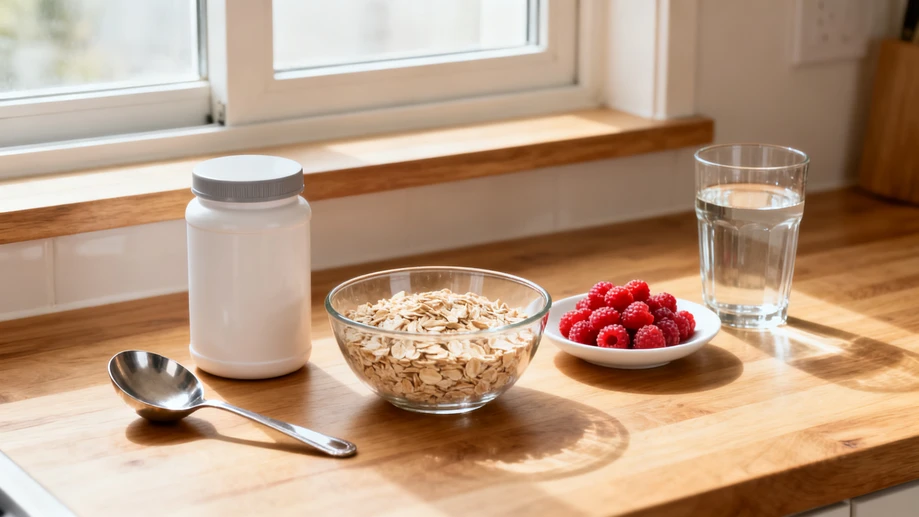
Wait, do you really need that daily scoop of protein supplement no matter what your routine and fitness goals actually look like
We break down the often-overlooked facts about protein supplement usage to sort out exactly which groups get real benefits and which people are wasting money on unnecessary extra scoops
You have probably seen protein supplements stacked on grocery store shelves, placed next to water fountains at local gyms, and tucked in the back of countless office desks across the city. It feels like everyone around you is adding a scoop of flavored powder to their morning smoothies or chugging a pre-mixed bottle right after a quick walk around the neighborhood, and the general online narrative pushes the idea that extra protein is always a net positive for every single person no matter their circumstances. What almost no casual post mentions is that these concentrated protein products are not one-size-fits-all daily essentials, and a huge portion of regular users are getting no tangible benefit at all from the servings they pour out every single day.
The first group that gets clear, measurable benefits from adding protein supplements to their diet is people who complete 3 or more 45-minute resistance training sessions every single week. For people who regularly push their muscles to build new tissue, the recommended daily protein intake sits somewhere between 1.6 and 2.2 grams per kilogram of body weight, a threshold that can be surprisingly hard to hit if you are relying solely on whole food sources even if you prioritize meat, eggs and dairy at every meal. On days when you finish a heavy leg session and have to rush straight to a two hour work meeting with no time to prep and eat a full meal of grilled chicken, a 30 gram scoop of protein powder mixed with cold water is a low-effort, low-calorie option that delivers exactly the nutrition your tired muscles need to recover, without weighing you down before you sit at your desk. No one would argue that whole food sources are nutritionally richer, but the convenience of protein supplements for this group makes them far more than an unnecessary luxury, it is a practical tool that eliminates the constant logistical stress of chasing your protein target every single day.
The second underdiscussed group that gains huge value from regular protein supplement use is people who naturally have very small appetites, or are recovering from minor medical procedures that temporarily limit their ability to eat large volumes of solid food. Many adults over the age of 65 have reduced stomach capacity and lower hunger signals, meaning they can rarely finish a full meal large enough to hit their basic daily protein targets to preserve muscle mass and maintain normal immune function. Young people who work 12 hour shifts with no time to sit down for proper meals also fall into this category, as well as people recovering from minor injuries that make chewing dense solid food uncomfortable. A standard serving of unflavored protein supplement only delivers around 110 to 130 calories, and takes up far less space in your stomach than two whole boiled eggs or a full serving of lean beef, so you can drink it between small meals without feeling overly full, and hit your daily nutrient target without forcing yourself to choke down food you have no appetite for.
A huge portion of regular protein supplement users fall into a third group that gets almost zero benefit from every scoop they consume, and do not even realize it. If you exercise for less than 3 total hours a week, and do not follow a structured resistance training plan, your daily recommended protein intake only sits at around 0.8 grams per kilogram of body weight, a target that is extremely easy to hit with normal regular meals. An average 60 kilogram adult only needs 48 grams of protein a day to meet basic body functions, and that total is easily covered by one egg at breakfast, a single serving of grilled fish at lunch, and a small portion of tofu or chicken at dinner. Any extra protein you consume from supplements when you have already hit your daily target gets fully broken down by your liver and turned into waste that gets flushed out of your body, which means every dollar you spend on those extra scoops is literally flowing down the drain. A lot of people in this group report random mild bloating or light digestive discomfort after drinking their protein shake every morning, which is a direct sign their body has no use for the extra concentrated nutrient they are forcing it to process.
At the end of the day, protein supplements are not some magical superfood that gives you instant fitness results, nor are they an unhealthy processed product you need to avoid at all costs. They are simply a convenient, concentrated source of the exact same nutrients you get from eggs, milk, lean meat and soy products, designed to fill specific gaps in your daily diet rather than replace your normal meals. All you need to do to figure out if you actually need a tub of this product on your shelf is spend 5 minutes writing down all the food you eat over a three day period, add up the total protein per day, and compare that number to the intake level that matches your activity level and current life stage. There is no reason to follow random social media trends and chug shakes every day if your normal meals already give you all the protein your body will ever use.