
Do You Really Know the Tiny Breakfast Eating Trick That Cuts Your Mid-Morning Sugar Crashes by 60 Percent?
Explore the underrated little breakfast eating order trick most people completely ignore, which supports steady energy, better nutrient absorption and no random cravings before lunch.
Most people rush through their morning routine in a fog of half-awake haste, grabbing whatever breakfast items they have within arm’s reach to eat while walking to the bus stop, sitting at their work desk, or waiting for their first online class to load. A huge number of us automatically sip the sweetened iced coffee or fresh fruit juice first thing the second we sit down, before moving on to bite the plain toast, boiled egg or bowl of unsweetened oats we set out earlier. It feels like a totally harmless, automatic choice that no one spends a second second-guessing, but this tiny unexamined habit is the very reason you end up staring blankly at your screen at 10 a.m. with zero focus, digging through your desk drawer for the nearest sugary granola bar to sate the sudden, ravenous hunger that hit out of nowhere. Almost no one connects that mid-morning slump to the exact order they ate their breakfast 3 hours prior, even though this small detail has a far larger impact on your daily energy than most fancy, overpriced specialized breakfast recipes that flood social media feeds every week.
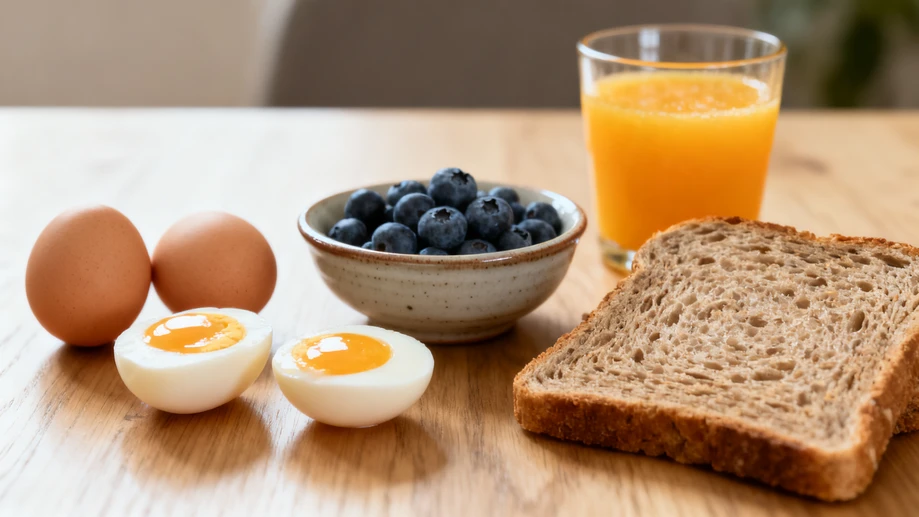
This underrated trick does not require you to add any new expensive ingredients to your grocery list, nor does it force you to wake up 30 minutes earlier to cook a complicated multi-step meal before you start your day. All you have to do is adjust the order of the items you are already planning to eat for breakfast, by eating all of your high-fiber, high-protein unsweetened solid items before you touch any high-sugar, high-carb liquids or sweetened dishes you have prepared. If your usual breakfast spread includes one boiled egg, a slice of whole-grain toast, a small handful of raw almonds and a cup of sweetened vanilla coffee, you finish the egg, the whole toast and the almonds completely before you take your very first sip of that flavored coffee. If you usually have a bowl of fresh fruit smoothie paired with chia pudding and a hard boiled egg, you eat the egg and the chia pudding with no added honey first, then take your first sip of the fruity smoothie once those are fully swallowed. This small shift alone slows down the absorption of simple sugars from the sweet items you consume, preventing your blood sugar from spiking to an unhealthy high and then crashing dramatically an hour and a half later, which is exactly the biological trigger that makes you feel exhausted and ravenous out of nowhere mid-morning.
Even people who pride themselves on eating an extremely nutrient-dense, low-sugar breakfast often fall victim to this unnoticeable mistake, and end up confused why their supposedly perfectly balanced meal still leaves them unable to focus by the middle of the morning. You could be eating a bowl of 100 percent whole grain oatmeal, a side of steamed spinach and a small glass of fresh orange juice, all of which are widely agreed to be some of the healthiest breakfast food options available, but if you drink that orange juice first before eating the rest of the spread, the simple sugars from the juice will rush straight into your bloodstream before the fiber from the oats and spinach can build a slow-release buffer in your gut. You do not have to give up any of the sweet items you love eating for breakfast, you do not have to cut out your morning orange juice, your honey drizzled on oats, or your favorite flavored coffee at all, you just need to push those items to the final part of your breakfast eating sequence to unlock all those steady energy benefits that you thought were impossible to get from your existing meal setup.
Testing this small habit for yourself is extremely low effort, and you do not have to follow any strict rules to see noticeable results in less than a week. You can keep a very quick, casual note of what time you start feeling hungry and low on energy on two days where you follow your original old eating order, then switch to the new adjusted order for the next three days, and log that same timing again. The vast majority of people will notice that they can stay full and focused for at least two extra hours after finishing breakfast, without having to add extra calories or cut out any of the food they enjoy. For people who usually end up eating extra unplanned junk food snacks between 10 a.m. and 11 a.m., this small adjustment cuts that unplanned snack consumption by more than half for most people, with no extra willpower required to resist the cravings, because the cravings themselves never show up in the first place.
This tiny trick is universally suitable for almost every group of people, no matter what your daily schedule or dietary needs are. It works for busy high school and college students who need to stay focused during back to back morning lectures, for full time office workers who cannot afford to lose their focus halfway through an important project deadline, for older adults who want to keep their blood sugar levels stable throughout the morning, and even for fitness enthusiasts who want to keep their energy steady during a pre-workout meal before a morning training session. There is no complicated rule set to memorize, no special equipment you need to buy, and no steep learning curve to overcome, making it one of the most low cost, high payoff small life adjustments you can test out in your daily routine.