
The Secret Weapon in Your Salad Bowl That Fights Aging From Within
Discover how ordinary vegetables contain extraordinary compounds that slow cellular damage and boost vitality
We often hear about superfoods and expensive supplements promising eternal youth, yet the most powerful anti-aging arsenal might be hiding in plain sight on our dinner plates. While flashy solutions capture headlines, humble vegetables work quietly at the cellular level to combat one of aging's primary drivers: oxidative stress. This silent battle occurs in every body, every day, as environmental factors and natural metabolism generate free radicals that damage our cells over time. The remarkable truth is that common produce like spinach, bell peppers, and broccoli contain nature's perfect countermeasure to this invisible assault.
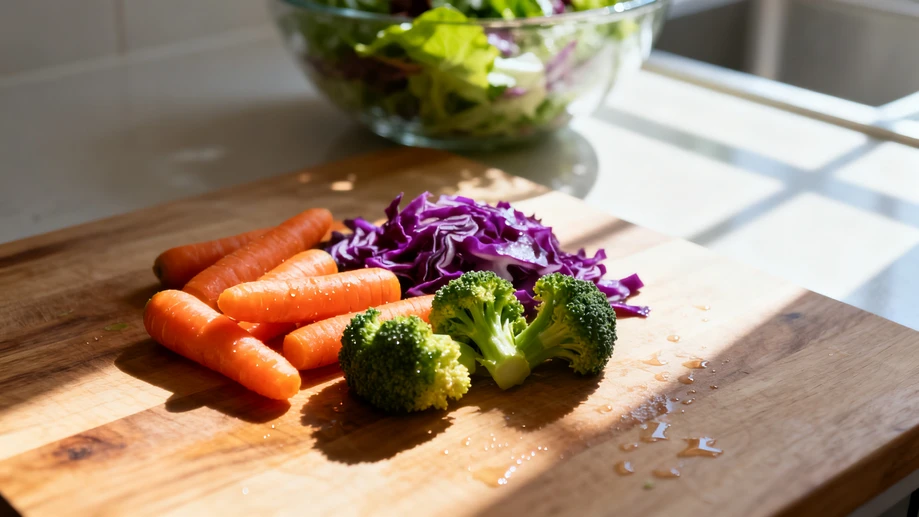
What makes these vegetables so uniquely equipped for this fight? The answer lies in their vibrant colors and bitter flavors. Deeply pigmented vegetables contain concentrated antioxidants – molecular warriors that neutralize free radicals before they harm our DNA. Consider the bright orange of a carrot or the rich purple of an eggplant; these hues signal the presence of carotenoids and anthocyanins, potent compounds that act as biological bodyguards. Unlike synthetic supplements, vegetable antioxidants work in complex synergy with fiber and phytonutrients, creating a protective effect that science still hasn't fully replicated in laboratories.
Interestingly, preparation methods dramatically influence these benefits. Raw vegetables preserve heat-sensitive nutrients like vitamin C, crucial for collagen production that maintains skin elasticity. Meanwhile, cooking tomatoes actually increases lycopene availability by breaking down cell walls, enhancing this antioxidant's ability to protect against UV damage. Steaming cruciferous vegetables like cauliflower releases sulforaphane, a compound that activates our body's natural detoxification pathways. This nutritional alchemy means that alternating between fresh salads and lightly cooked vegetable medleys can maximize the anti-aging benefits from the same produce.
Beyond cellular protection, vegetables contribute to longevity through unexpected mechanisms. Their high potassium content regulates blood pressure, reducing strain on the cardiovascular system. Soluble fiber in artichokes and okra manages cholesterol absorption while feeding beneficial gut bacteria linked to reduced inflammation. Even the simple act of chewing fibrous vegetables stimulates saliva production, which contains enzymes that begin the digestive process and neutralize oral bacteria. This cascade of benefits explains why populations with vegetable-rich diets consistently show lower rates of age-related diseases.
The cumulative effect of daily vegetable consumption creates a profound biological advantage. Research reveals that individuals with high blood levels of plant-derived antioxidants exhibit longer telomeres – the protective caps on chromosomes that shorten with age. While no single meal can turn back time, consistently incorporating colorful vegetables builds cellular resilience that manifests as smoother skin, sharper cognition, and sustained energy. This nutritional strategy requires no expensive products or extreme regimens, just a commitment to making plants the cornerstone of every plate.
Ultimately, embracing vegetables as anti-aging allies transforms health management from reactive repair to proactive preservation. Each crunchy bite delivers a complex cocktail of compounds that work harmoniously to protect, repair, and rejuvenate our bodies at the most fundamental level. The fountain of youth may not be a mythical spring, but rather an abundant harvest of nature's most ingenious defense system against time's relentless march.