
Protein and Carbs Make a Powerful Team for Fat Loss
Discover how pairing these nutrients strategically can boost metabolism and curb cravings effectively
For years, carbohydrates were demonized in weight loss circles while protein was hailed as the undisputed king. This oversimplification misses a crucial truth: when combined intentionally, these nutrients create a fat-burning synergy greater than the sum of their parts. The magic happens through physiological teamwork – protein’s muscle-preserving properties join forces with smart carbs’ energy-sustaining abilities to create metabolic efficiency. Imagine two construction crews working on the same building: one lays foundations while the other erects walls. Separately, progress stalls; together, they build something remarkable.
Carbohydrates, particularly complex varieties like oats or sweet potatoes, provide immediate fuel for workouts and daily activities. Without adequate carbs, your body may break down muscle tissue for energy – sabotaging the very metabolism you’re trying to boost. Meanwhile, protein’s thermic effect means your body burns more calories digesting it compared to fats or carbs. A study published in the American Journal of Clinical Nutrition found participants who consumed balanced protein-carb meals burned 30% more calories post-meal than those eating carb-heavy dishes. This metabolic boost isn’t just about numbers; it translates to real-world fat loss advantages when sustained consistently.
Beyond calorie burning, the protein-carb combo excels at appetite management. Protein triggers satiety hormones like peptide YY, signaling fullness to your brain. Simultaneously, fiber-rich carbohydrates slow gastric emptying, creating physical fullness that lasts. Picture a time-release capsule: fast-acting protein satisfaction layered with slow-digesting carb endurance. This dynamic duo prevents the blood sugar rollercoaster that leads to 3 PM cookie cravings. Research from the University of Sydney confirms that meals pairing lean proteins with low-glycemic carbs keep hunger hormones stable for up to four hours longer than unbalanced meals.
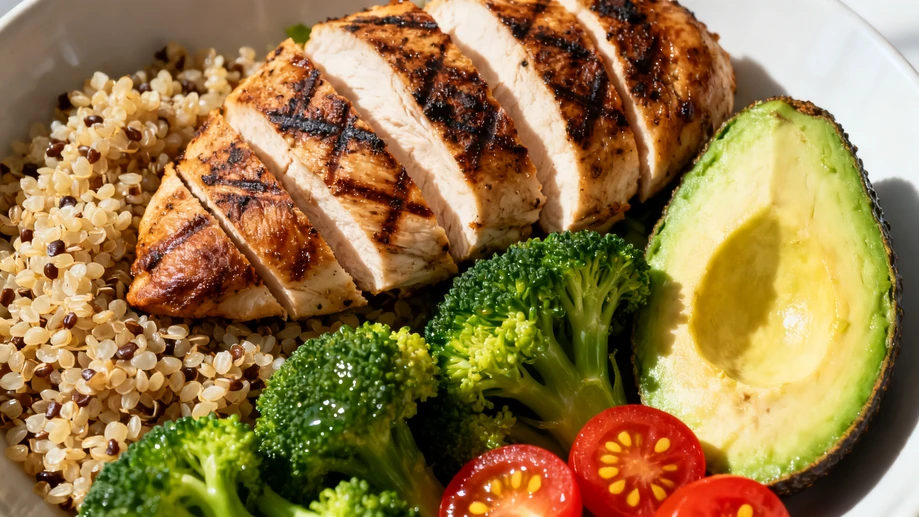
Practical implementation is refreshingly simple. Aim for a visual plate ratio: one-quarter lean protein (chicken, fish, tofu), one-quarter complex carbs (quinoa, brown rice), and half non-starchy vegetables. For breakfast, try Greek yogurt with berries and oats instead of carb-heavy toast alone. Lunch could feature grilled salmon with roasted sweet potatoes and asparagus. The timing matters too – consuming this combo within 45 minutes post-workout maximizes muscle recovery when your cells are primed for nutrient uptake. This approach transforms eating from restrictive calorie counting to strategic nourishment.
Common pitfalls include fearing all carbs equally or overemphasizing protein. A chicken breast without accompanying carbs becomes less effective for muscle synthesis, while a sweet potato alone lacks sufficient satiety signals. The solution lies in intentional pairings: add black beans to rice, sprinkle chia seeds on oatmeal, or pair an apple with almond butter. These combinations create what nutritionists call the second-meal effect – where a balanced breakfast continues regulating hunger through lunch. It’s a chain reaction of metabolic benefits that makes fat loss surprisingly sustainable without extreme deprivation.