
Do The Healthy Eating Habits Everyone Praises Secretly Drain Your Daily Energy Without You Knowing
This approachable food science article unpacks widely overlooked diet myths that disrupt steady energy levels, and shares tiny, actionable adjustments that fit even the busiest daily schedules without strict restrictions.
Scroll through any social media feed for five minutes and you will run into dozens of supposedly foolproof healthy eating tips: cut all added sugar entirely, replace every bite of white rice with unprocessed whole grains, swap all full fat dairy for zero fat alternatives, and drink three bottles of cold pressed green juice a week to “detox” your system. Thousands of people try these rules for weeks or months, only to find themselves dragging through 3 p.m. work meetings, craving sugary snacks more than they ever did before, and feeling light headed after a short walk up a couple of flights of stairs. Most write this discomfort off as a sign they are not “trying hard enough”, or blame their own supposedly slow metabolism, without realizing the very rules they are following are designed for extreme temporary goals, not long term steady health for regular people going about their normal daily lives. You do not need to cut out entire food groups or spend two hours every meal prepping complicated dishes to maintain a balanced diet that supports consistent energy and long term well being.
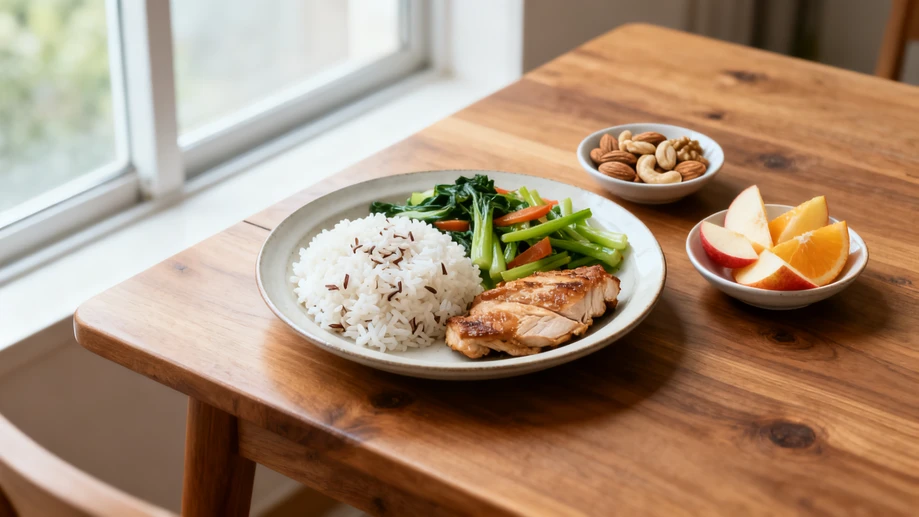
One of the most common unspoken traps people fall into is treating all unprocessed whole grains as an infinite free food they can eat in unlimited portions, even when their digestive systems are not used to high fiber intake. Many people switch to 100% brown rice, wild quinoa, and steel cut oats for every meal in an effort to lower blood sugar spikes, but unprocessed whole grains contain naturally occurring anti-nutrient compounds that block the body’s absorption of critical minerals including iron, zinc, and magnesium if consumed in very large quantities without pre-treatment. Over a few months, this low grade nutrient block can lead to subtle but noticeable fatigue, trouble focusing for long stretches, and even frequent small muscle cramps that most people write off as random bad luck. The fix does not require ditching whole grains entirely, it simply asks you to mix whole grains and familiar refined starches like white rice or white flour at a 1:1 ratio, and soak coarse whole grains for two to three hours before cooking to break down most of the hard to process anti-nutrients. This small shift retains all the benefits of extra fiber for steady digestion, without depriving your body of the micronutrients it needs to keep energy levels high all day.
Another surprisingly harmful myth spread across diet content online states that all fat is bad, and any healthy eating pattern requires cutting out nearly all oil, full fat dairy, and naturally fatty plant foods to keep calorie counts low. In reality, fat is an essential nutrient that your body cannot produce on its own, and it is the only substance that allows your digestive system to absorb critical fat soluble vitamins including vitamin A, vitamin D, vitamin E, and vitamin K. People who follow strict zero fat diets for more than a few weeks often report dull, dry skin, sudden unexplained bouts of low mood, and trouble falling asleep even when they feel tired at the end of the day, because their bodies do not have enough fat to support normal hormone production and nutrient transport. You do not need to load up on heavy, high calorie fried food to meet your daily fat requirements, all you need is roughly a small handful of unsalted raw nuts, half a ripe avocado, or one single teaspoon of extra virgin olive oil added to your vegetables at dinner. That tiny amount of high quality unsaturated fat is enough to keep your metabolism running steadily, and prevent the mid afternoon energy crashes that come with eating nothing but low fat, high carb meals for every part of your day.
Many people also hold the incorrect belief that eating a large serving of fresh fruit immediately after a full main meal will help speed up digestion and add extra healthy vitamins to their diet. The truth is most common fruits have fairly high natural sugar content, and when you add that extra sugar to a stomach already full of protein, carbohydrates, and cooked vegetables that are already being broken down, the fruit will sit at the top of your digestive tract and start to ferment instead of moving through normally. This leads to frequent bloating, mild acid reflux, and hundreds of unplanned extra calories being added to your daily total without you noticing, which can lead to slow, unintended weight gain over the course of a few months. The much simpler, far more effective adjustment is to save your fruit servings for the small hunger gaps between meals, around 10 a.m. before lunch or 3 p.m. before your final work tasks wrap up. The natural sugars in fruit will curb that unplanned sharp hunger before it gets intense enough to make you reach for an overly processed candy bar from the vending machine, and there is no other food sitting in your stomach to slow down nutrient absorption, so you get all the vitamins and antioxidants the fruit has to offer with zero digestive discomfort.
At the end of the day, sustainable healthy eating does not require you to download a calorie tracking app and log every single bite you put in your mouth, and it never requires you to cut out all of your favorite occasional treats entirely. Having one slice of your favorite birthday cake at a friend’s gathering, or eating a warm bowl of buttery instant noodles on a cold rainy night will never derail months of small, consistent positive eating habits. The most effective healthy eating pattern for regular people never relies on extreme short term restrictions that are impossible to keep up with long term, it relies on small, gentle adjustments that fit easily into your existing daily routine, no extra time or huge budget required. You will not see instant dramatic changes on the scale after one week of these shifts, but you will notice that you have far more steady energy to do the hobbies you love, you do not get unexpected midday crashes anymore, and you can maintain that state without ever feeling like you are depriving yourself of the small joys food brings to everyday life.