
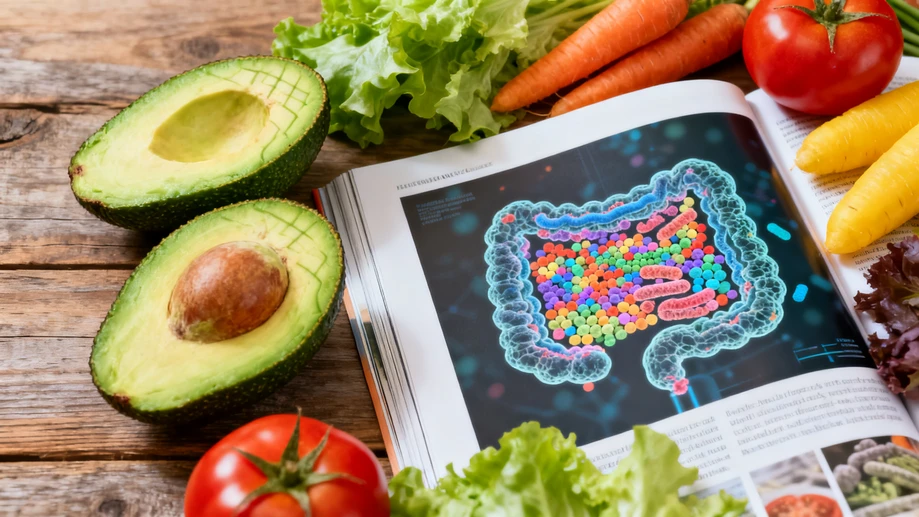
The Gut Garden How Low Carb Diets Cultivate Your Microbiome
Exploring the surprising connection between reduced carbohydrates and the thriving ecosystem within your digestive system
Low carbohydrate diets have surged in popularity, often celebrated for weight management and metabolic benefits. Yet beyond these visible effects lies a fascinating, lesser-known impact: the profound transformation of our gut microbiome. This complex community of trillions of microorganisms functions as a hidden organ, influencing everything from immunity to mood. When we significantly reduce carb intake, we aren't just changing our energy source—we're fundamentally altering the living landscape within our digestive tract.
Carbohydrates, particularly fibers and resistant starches, serve as primary fuel for many beneficial gut bacteria. These microbes ferment undigested carbs into short-chain fatty acids like butyrate, which nourish our gut lining and regulate inflammation. A dramatic reduction in carbs creates a sudden famine for these fiber-loving organisms. However, this dietary shift doesn't simply starve the microbiome—it triggers a remarkable ecological shift. Bacteria adept at processing proteins and fats begin to flourish, fundamentally changing the microbial community structure within weeks.
Research reveals intriguing adaptations in the low-carb gut environment. Certain bacterial strains that thrive on ketone bodies—alternative energy molecules produced during carb restriction—become more dominant. This microbial reorganization may explain some reported benefits like reduced bloating and improved insulin sensitivity. Interestingly, studies show increased abundance of bacteria associated with leanness, such as Akkermansia muciniphila, in low-carb dieters. Yet this microbial revolution isn't without controversy, as some scientists express concern about potential long-term reductions in microbial diversity.
The key to maintaining microbiome health on low-carb eating lies in strategic fiber sourcing. Non-starchy vegetables, nuts, seeds, and low-sugar berries become crucial allies. Avocados, for instance, deliver both healthy fats and substantial fiber. Fermented foods like sauerkraut or unsweetened yogurt introduce beneficial probiotics without significant carbs. Recent investigations highlight psyllium husk as particularly valuable—this soluble fiber resists digestion, reaching the colon intact to feed good bacteria while minimally impacting net carb counts.
Ultimately, the relationship between low-carb diets and gut health resembles careful gardening more than radical clear-cutting. Successful practitioners focus on cultivating diverse, resilient microbial communities through intentional food choices. They understand that while reducing sugars and refined grains benefits overall health, preserving microbiome richness requires conscious nourishment of our bacterial allies. This nuanced approach transforms dietary restriction into an opportunity to thoughtfully tend our inner ecosystem, harvesting benefits that extend far beyond weight management to foundational wellbeing.