
Unlocking Nature's Palette How Vegetable Colors Boost Your Health
Discover the science behind vibrant vegetable hues and their unique nutritional superpowers for optimal wellness
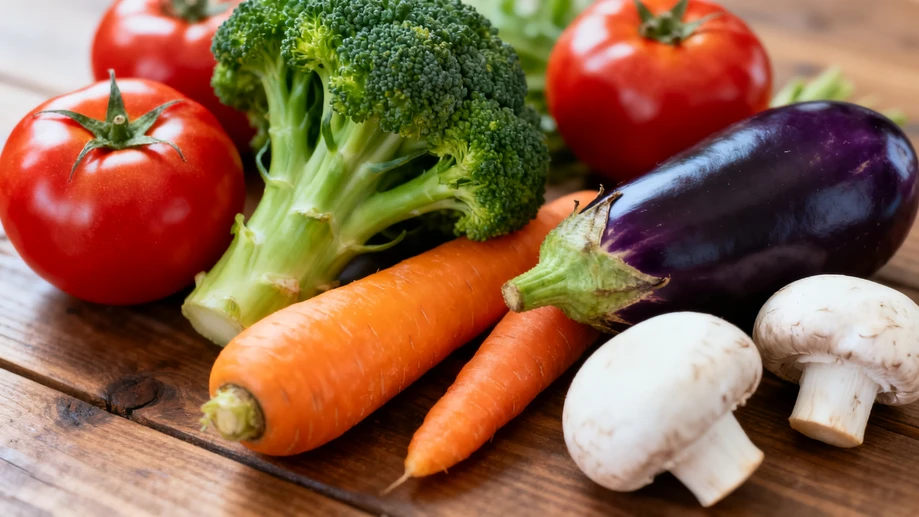
Imagine your dinner plate as a living canvas where each vegetable color tells a nutritional story written by evolution. We often hear "eat your greens" but rarely consider why purple eggplants or orange carrots matter beyond aesthetics. Nature's chromatic coding system actually serves as a visual guide to phytochemicals – protective compounds that plants develop to survive environmental stressors. When we consume these colorful foods, we inherit their defensive benefits. This biological artistry transforms simple vegetables into natural medicine cabinets where pigments double as preventive healthcare agents, working synergistically to fortify our bodies against modern diseases.
Delving into the rainbow reveals fascinating nutritional cryptography. Red vegetables like tomatoes and radishes owe their vibrancy to lycopene, a potent antioxidant scientifically proven to reduce heart disease risk by preventing LDL cholesterol oxidation. Simultaneously, orange and yellow produce like sweet potatoes and bell peppers contain beta-carotene that converts to vision-protecting vitamin A. Crucially, these pigments don't operate in isolation. When combined, they create what nutritionists call the "matrix effect" – a biochemical interaction where nutrients enhance each other's absorption. A spinach salad with sliced red peppers and olive oil, for instance, allows fat-soluble vitamins to unlock lycopene's potential while iron absorption increases dramatically.
Perhaps most surprisingly, somber-hued vegetables often conceal extraordinary benefits. Mushrooms' earthy beige tones signal powerful immune-boosting beta-glucans while cauliflower's pale complexion hides cancer-fighting glucosinolates. Purple potatoes and black carrots contain anthocyanins that outperform blueberries in antioxidant capacity, protecting brain cells from oxidative stress. Even modest onions and garlic reveal hidden talents when damaged – chopping releases allicin that combats inflammation like nature's ibuprofen. This nutritional alchemy demonstrates how plants convert sunlight into medicine through complex biochemical pathways we're still decoding.
Modern science confirms ancient wisdom about vegetable diversity with striking precision. Researchers analyzing stool samples discovered that people eating over thirty different plant weekly have significantly more diverse gut microbiomes than those consuming fewer than ten varieties. This microbial biodiversity directly correlates with reduced inflammation markers and stronger immunity. Moreover, studies tracking populations with multicolored diets show they experience slower cellular aging as measured by telomere length. The chromatic approach naturally combats nutritional deficiencies while exposing us to thousands of beneficial compounds impossible to replicate in supplement form.
Implementing this chromatic strategy requires simple but mindful adjustments. Rather than meticulously counting vitamins, shoppers can visually diversify carts using color categories. Preparing vegetables correctly preserves their nutritional payload – steaming broccoli retains more cancer-fighting sulforaphane than boiling, while cooked tomatoes release more lycopene than raw. For maximum benefit, rotate colorful vegetables seasonally since nature's harvest cycles provide complementary nutrients throughout the year. By embracing vegetables' visual language, we engage in nutritional symbiosis where plants protect us as we propagate them.
Nutritional science continues revealing surprising complexities in how vegetable compounds interact with human biology. Recently discovered apigenin in parsley and celery shows potential for inhibiting cancer cell growth by altering gene expression, while anthoxanthins in white vegetables may reduce stroke risk more effectively than medications. Crucially, these nutrients work holistically – no isolated compound delivers equivalent benefits to whole vegetables consumed with their natural fiber matrix. This emergent understanding confirms that eating the rainbow isn't just poetic advice but a sophisticated biological strategy millions of years in the making.