
Fermented Foods Unlock the Secret to a Healthier Gut and Happier Life
Discover how these ancient culinary traditions can transform your microbiome and boost overall wellness in surprising ways
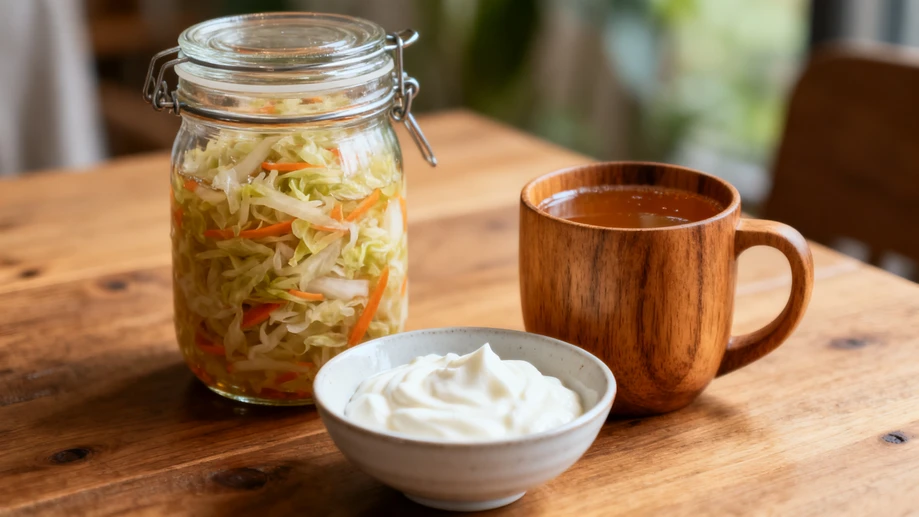
Walk down any supermarket aisle today and you'll encounter rows of products proudly labeled "probiotic" or "gut-friendly," but few shoppers realize this modern wellness trend has roots in food preservation techniques dating back thousands of years. Fermented foods like kimchi, yogurt, and kefir represent far more than culinary traditions—they house complex ecosystems of living microorganisms that actively communicate with our bodies. This fascinating microbial exchange occurs primarily in our digestive system, where trillions of bacteria form what scientists now call our "second brain." The relationship between our gut microbiome and overall health is so profound that researchers continue uncovering new connections to immunity, mood regulation, and even cognitive function.
While fermented delicacies vary across cultures—from German sauerkraut to Indian lassi—they share a common biological transformation. Natural bacteria or yeasts convert sugars into organic acids or alcohol through anaerobic processes, creating an environment where beneficial microbes thrive while harmful pathogens cannot survive. This microbial alchemy generates bioactive compounds absent in the original ingredients, including certain B vitamins and unique enzymes. Most importantly, the fermentation process produces diverse strains of lactobacilli and bifidobacteria, microorganisms our digestive tract evolved to recognize as friendly allies. When consumed regularly, these living cultures gradually reshape the gut environment, crowding out less desirable bacteria.
Recent scientific investigations reveal astonishing mechanisms behind fermented foods' benefits. The live microorganisms in these foods don't necessarily colonize our guts permanently; instead, they function as temporary residents that stimulate our existing microbiome. As they pass through our digestive tract, they activate receptors in the gut lining that trigger immune responses and neurotransmitter production. Particularly fascinating is their role in the gut-brain axis, a bidirectional communication network where gut microbes influence neurological processes. Studies suggest regularly consuming fermented foods may reduce cortisol levels and anxiety symptoms, possibly by increasing GABA production—a neurotransmitter that calms nervous system activity.
Contrary to popular belief, pasteurization—while extending shelf life—often eliminates the very probiotics that make fermented foods valuable. Many commercial products undergo heat treatment that kills active cultures, essentially turning them into "dead" fermented foods. To maximize benefits, consumers should seek refrigerated versions labeled "live and active cultures" or consider homemade fermentation. Simple preparations like vegetable brining require minimal equipment: just fresh produce, salt, water, and patience as nature works its magic. The tangy results not only enhance meals but deliver billions of microorganisms per tablespoon—a microbial feast that continually renews itself.
Integrating fermented foods needn't involve drastic dietary changes. Start with small daily additions: a spoonful of sauerkraut on salads, kombucha instead of soda, or yogurt at breakfast. Diversity matters more than quantity—rotating different fermented items exposes your gut to various bacterial strains. Noticeable improvements often begin within weeks: better digestion, glowing skin, and surprising boosts in energy. Emerging research even links robust gut microbiomes to healthy aging and reduced inflammation markers. Centuries of tradition combined with modern science confirm that nurturing our inner ecosystem through fermented foods remains one of the simplest paths to vitality.