
The Secret to Perfectly Juicy High-Protein Chicken Every Time
Unlock the science behind moisture retention for restaurant-quality poultry dishes in your own kitchen
There's a culinary tragedy unfolding in home kitchens worldwide: desiccated, cardboard-textured chicken breasts that could double as hockey pucks. This protein powerhouse shouldn't be punishment for your taste buds. The solution lies not in complicated recipes, but in understanding the fascinating biochemistry of poultry. When chicken cooks, its muscle fibers contract and squeeze out moisture – that's where the trouble begins. But by manipulating temperature and timing, you can hijack this natural process. The magic number? 150°F (65°C). At this precise internal temperature, the proteins coagulate just enough to be safe while retaining maximum succulence. Exceeding this threshold by even 10 degrees causes the proteins to tighten like overstretched rubber bands, wringing out precious juices. This thermal sweet spot transforms bland chicken into something worthy of center-plate status.
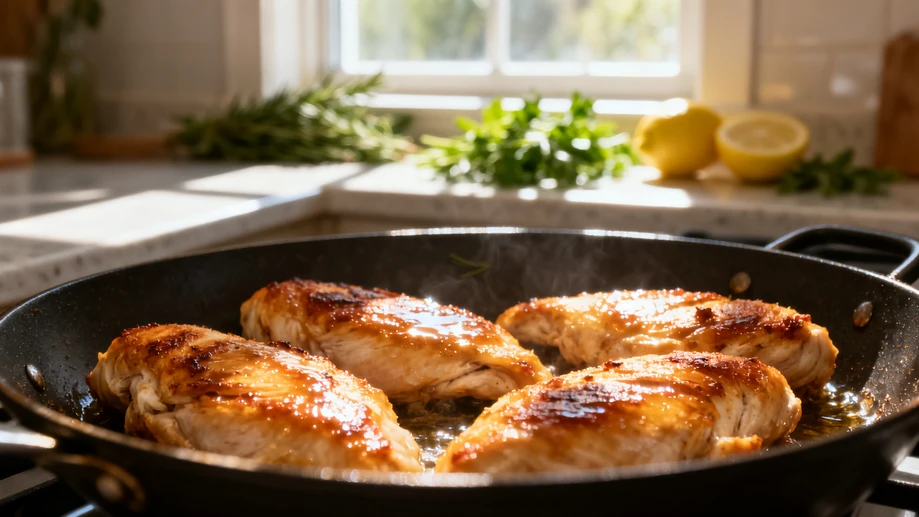
Now, let's translate that science into practical technique. The most reliable method involves a simple two-step approach that leverages thermal inertia. Begin by searing chicken breasts in a scorching hot skillet – just 90 seconds per side creates a gorgeous golden crust through the Maillard reaction. This caramelized exterior does more than add visual appeal; it forms a moisture-locking barrier. Then, instead of continuing to cook on the stovetop, transfer the pan directly into a preheated 400°F (200°C) oven. The ambient heat gently brings the interior to that ideal 150°F without the harsh direct contact that causes surface dehydration. This oven finish allows heat to penetrate evenly, avoiding the dreaded gradient of dry outer layers surrounding a still-raw center. For perfect results every time, use an instant-read thermometer religiously and pull the chicken when it registers 145°F – residual heat will carry it those last crucial degrees during resting.
Ah, resting – that critical yet often neglected finale. Removing chicken from heat doesn't stop the cooking process immediately; the exterior remains hotter than the core, causing internal temperatures to rise another 5-7 degrees. More importantly, resting allows muscle fibers to relax and reabsorb expelled juices. Picture a squeezed sponge slowly soaking water back in. Cutting immediately sends all those painstakingly preserved juices flooding onto your cutting board. For standard chicken breasts, a minimum 7-minute rest under loose foil is non-negotiable. This patience pays dividends in every forkful. The resting period also presents a golden opportunity for flavor infusion. While the chicken relaxes, drizzle it with infused oils or scatter fresh herbs over the surface; the residual heat will gently coax their essences into the meat without additional cooking.
Beyond temperature control, consider your chicken's physical preparation. Many home cooks sabotage themselves by pounding breasts to uniform thickness – a well-intentioned but misguided practice. While even thickness promotes consistent cooking, aggressive pounding actually damages cell structures, creating escape routes for moisture. Instead, opt for the "butterfly and tuck" method. Carefully slice thicker breasts horizontally almost through, then open them like a book to create even thickness. For irregular pieces, simply tuck the thicker end under itself before cooking. Another moisture-saving hack involves dry-brining. Rubbing chicken with kosher salt 4-24 hours before cooking draws out moisture initially, but then the salty brine gets reabsorbed, seasoning the meat deeply while altering protein structures for better water retention during cooking. This simple prep step makes chicken noticeably more forgiving if slightly overcooked.
Finally, embrace the power of strategic additions. A humble brine bath (1/4 cup salt dissolved in 4 cups water) works wonders for boneless cuts, but don't stop there. Incorporate buttermilk or yogurt into marinades; their lactic acid tenderizes while their viscosity creates a protective coating. When pan-searing, add a tablespoon of cold butter during the last minute of cooking. As it melts and foams, continuously spoon it over the chicken. This French technique, called basting, creates an insulating layer while lending rich flavor. For oven preparations, place chicken on a rack over broth or wine in the roasting pan. The evaporating liquid creates a humid micro-environment that dramatically reduces moisture loss. These small interventions compound, ensuring each bite remains gloriously juicy – the ultimate triumph over dry, stringy poultry.