
The Hidden Power of Fiber in Your Everyday Meals
Uncover how this simple nutrient boosts digestion and wards off illness for a healthier life.
Many people overlook fiber as just another part of a healthy diet, but its impact is far more profound than most realize. Often dismissed as mere roughage, fiber plays a crucial role in keeping our bodies running smoothly, yet it's frequently neglected in modern eating habits. This oversight can lead to digestive discomfort and long-term health issues, making it essential to shine a light on why fiber deserves more attention. Moreover, as we delve into its functions, you'll discover that incorporating more fiber isn't just about avoiding constipation—it's a gateway to overall vitality.
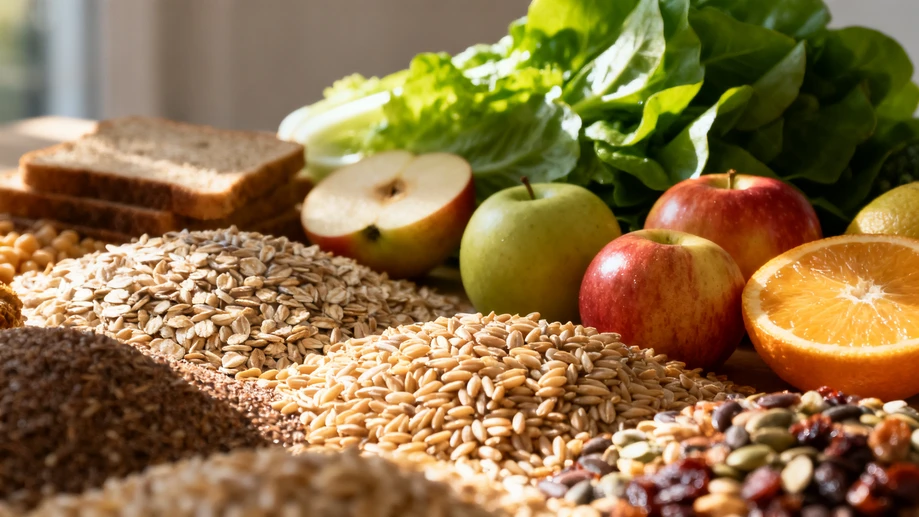
Fiber comes in two main types: soluble and insoluble, each with unique benefits that work together to support our well-being. Soluble fiber, found in foods like oats, beans, and apples, dissolves in water to form a gel-like substance that slows digestion and helps regulate blood sugar levels. On the other hand, insoluble fiber, abundant in whole grains, nuts, and vegetables, adds bulk to stool and speeds up its passage through the intestines, preventing constipation. This dual action not only aids in efficient nutrient absorption but also creates a balanced environment in the gut, where beneficial bacteria thrive. Therefore, by understanding these distinctions, you can make informed choices about which foods to include in your meals for optimal results.
The health benefits of a fiber-rich diet extend far beyond the digestive system, offering protection against chronic diseases that plague modern society. For instance, regular fiber intake has been linked to lower risks of heart disease by reducing bad cholesterol levels and improving blood pressure. Additionally, it helps manage weight by promoting feelings of fullness, which curbs overeating and supports sustainable weight loss. Studies also show that fiber can stabilize blood sugar, making it a key ally in preventing type 2 diabetes. Furthermore, emerging research suggests that fiber may even reduce inflammation and support immune function, highlighting its role as a cornerstone of preventive health care. As such, neglecting fiber isn't just a minor oversight—it's a missed opportunity for long-term wellness.
Incorporating more fiber into your daily routine is surprisingly simple and doesn't require drastic changes to your diet. Start by swapping refined grains for whole-grain alternatives, such as choosing brown rice over white rice or whole-wheat bread instead of white bread. Add fruits and vegetables to every meal, aiming for at least five servings a day, and include legumes like lentils or chickpeas in soups and salads. Gradually increasing your intake allows your body to adjust without discomfort, and drinking plenty of water enhances fiber's effectiveness. Over time, these small shifts can lead to significant improvements in energy levels and overall health, proving that better nutrition is within easy reach.
Ultimately, embracing fiber is a powerful step toward a healthier, more vibrant life, with benefits that ripple through every aspect of well-being. By making conscious choices to include fiber-rich foods, you're not only supporting your digestive health but also building a foundation for disease prevention and longevity. Remember, consistency is key—start small, stay committed, and watch as this humble nutrient transforms your health journey. So, why wait? Begin today and unlock the full potential of fiber for a brighter tomorrow.