
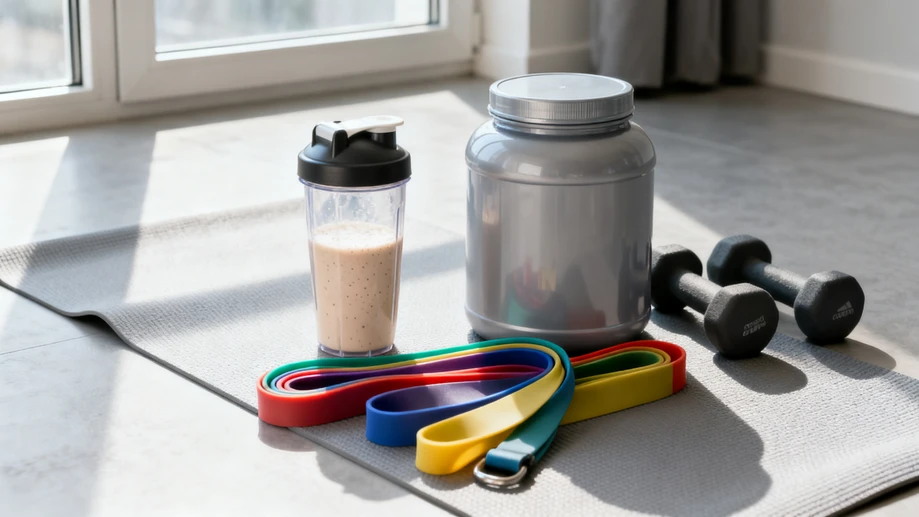
Do You Really Have To Chug Your Protein Shake Within 30 Minutes Right After Every Workout?
We unpack the widely circulated fitness myth around strict post-workout protein timing, showing you how to get the same muscle support benefits without unnecessary stress or rushed habits.
If you have ever spent any time in a shared gym space, you have almost certainly seen this familiar scene: people huddled near the water fountain the second they set down their last dumbbell, shaking their plastic cups so hard the contents slosh over the edge, rushing to finish every sip before the 30-minute “anabolic window” closes. Many people even keep pre-portioned powder sachets in their gym bags for this exact purpose, turning a small nutritional habit into a source of constant low-level anxiety that follows them every time they step onto a training mat. This shared cultural habit has spread so far that even people who do not work out regularly have heard the vague rule that protein supplements have to be consumed right after movement to work properly.
This whole strict 30-minute timing rule did not come from nowhere, but it was pulled out of the extremely specific context of a small set of early exercise studies. Those original research trials were run on test subjects who had fasted completely for 8 to 12 hours before completing two hours of high-intensity combined cardio and resistance training, so their bodies had no circulating amino acids left in the bloodstream to feed repairing muscle fibers. For that very specific, extreme physiological state, a narrow 30-minute window did show measurable differences in muscle protein synthesis rates, but that context was almost entirely stripped away as the factoid spread across social media pages and casual fitness forums.
For the vast majority of people going about their regular weekly movement routines, that supposed tight window stretches for multiple full hours after you finish your workout. If you ate a normal meal with at least 20 grams of protein anywhere between one and three hours before you started exercising, your bloodstream still has a steady stream of amino acids flowing through it long after you finish your last set of squats or finish your evening jog. You do not have to rush to swallow extra protein the second you stop moving, because your body already has all the building blocks it needs to start repairing tiny microtears in your muscle tissue before you even touch your protein supplement container.
The biggest practical win from letting go of this arbitrary timing rule is that you get to enjoy your protein supplement when it fits your schedule, rather than rearranging your whole day around a made-up deadline. You can take 10 extra minutes to stretch out your tight hamstrings after a long run, stop to grab a water bottle from the front desk of the gym, take a slow 15-minute walk home to cool down, and mix your protein shake in your own kitchen while you slice up a handful of frozen berries to add to it. Waiting an extra one or two hours will not reduce any of the nutritional benefits, and you will avoid the common uncomfortable side effect of chugging a thick protein drink when your blood flow is still mostly directed to your muscles instead of your digestive system, which often leads to bloating, cramping, or unwanted stomach upset.
The only small group that still benefits from paying attention to tighter protein timing windows is competitive athletes who follow two-a-day training schedules, and who often have to train on a completely empty stomach to fit their two daily sessions into a packed schedule. For every other group ranging from casual weekend hikers to office workers who only use protein supplements to hit their daily recommended protein intake for general health, there is no need to set a timer for your post-workout drink. You can drink your protein shake while you are making dinner, as a mid-afternoon snack between work tasks, or even alongside your regular breakfast the next day, and your body will make use of every gram of protein exactly the same way.