
Who Actually Needs Extra Protein Supplements In Their Daily Diet Instead Of Relying On Whole Food Sources Alone
We break down the nuanced little-known facts about protein supplement population adaptation so you never waste money on unneeded products that go stale on your shelf.
You have definitely walked past towering stacks of protein supplement tubs at the grocery store checkout line, or seen hundreds of social media posts recommending a post-workout shake to everyone from casual walkers to full-time office workers. A lot of people grab a tub on impulse after seeing these posts, only to leave it sitting unopened in the back of their pantry for months until the expiration date rolls around, wasting 30 to 50 dollars on a product they never even got the chance to try. That waste almost always comes from one very common mistake: people do not stop to figure out if they actually belong to the group that needs extra protein outside their regular meals.
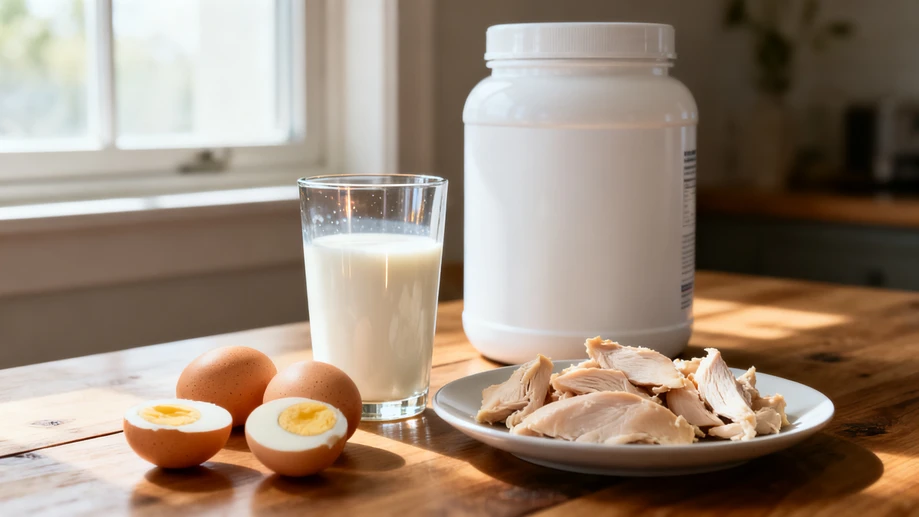
For most people who lead a largely sedentary life, working a desk job and getting less than 3 hours of moderate movement a week, there is no practical need to add any protein supplements to their daily eating plan. The standard recommended daily protein intake for a 150-pound adult with no special needs works out to around 55 grams a day, which is very easy to hit by eating one egg for breakfast, a palm-sized portion of lean meat for lunch, and a small serving of beans or Greek yogurt for dinner. Even if you cook most of your meals at home with regular grocery store ingredients, you are almost guaranteed to hit that number without paying extra for any supplemental powder, bar or drink.
That does not mean all protein supplements are a marketing scam, they do serve a very clear, evidence-backed purpose for specific groups of people who cannot possibly hit their protein target through regular whole foods alone. For people who do 5 or more hours of intense strength training every week, their daily protein requirement jumps up to around 1 gram per pound of body weight, meaning a 180-pound lifter needs 180 grams of protein a day, a volume that would force them to eat 6 or 7 large chicken breasts if they tried to hit it all through solid food, which is not only time consuming to prepare but also very hard on digestion. Older adults over 65 with reduced appetite, and people recovering from minor surgeries that limit their solid food intake, also benefit a lot from easily digestible protein supplements that deliver concentrated nutrition without forcing them to eat large volumes of food.
One of the most overlooked small details in population adaptation is that growing teenagers who eat regular meals also very rarely need these supplements, even if they play high school sports a few times a week. Many people buy protein tubs for their teen children under the assumption that extra protein will help them grow taller or build muscle faster, but most teens already get far more protein than their bodies need from the milk, eggs, meat and dairy products they eat at school and home. Adding extra protein on top of that unnecessary surplus will not make them stronger, it will only put extra strain on their developing kidney function, and in many cases lead to unexpected acne breakouts or unwanted weight gain from the extra calories most people do not count.
Before you pick up any protein supplement from a store shelf next time, take two minutes to write down all the protein rich food you normally eat in a single day, add up the approximate total, and compare it to your personal daily requirement. If the number already meets or exceeds your requirement, put the tub back and save your money for fresh whole food ingredients that will give you far more fiber, vitamins and other micronutrients that no protein supplement on the market can ever replace.