
Have You Been Wasting Your Hard-Earned Cash On Unnecessary Protein Supplements That Give No Real Benefit To You
We break down exactly which groups of people actually need extra protein support, and which common daily eating habits already give you all the amino acids your body craves
Walk down the wellness aisle of any local grocery store and you will spot shelves lined with brightly packaged protein powders, chewy protein bars and ready-to-drink protein shakes, all marketed as non-negotiable daily items for anyone who cares about their health. Most social media content focused on fitness, meal prep and balanced living will casually reference these products as if every single person is running a persistent protein gap that needs to be filled by processed supplementary goods, no matter what their regular eating schedule looks like. This widespread narrative has pushed millions of regular casual users to stock up on multiple bottles and packs of these products every month, often without doing even a quick check to see if their body actually has any unmet protein needs to begin with.
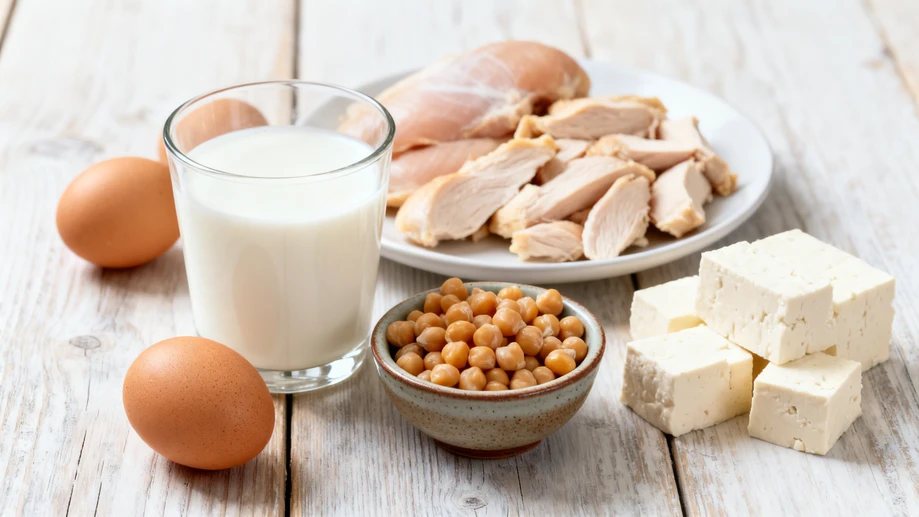
The basic protein requirement for a sedentary or lightly active adult is roughly 0.8 grams of protein for every kilogram of body weight, which adds up to around 48 grams a day for a 60 kilogram person and 64 grams a day for an 80 kilogram person. You can hit that target extremely easily without opening a single supplement container, with regular daily meals that most people already eat on a normal schedule. One large boiled egg gives you 6 grams of protein, a cup of plain whole milk gives you 8 grams, 100 grams of cooked lean chicken breast gives you 31 grams, 100 grams of firm tofu gives you 15 grams, and half a cup of cooked lentils gives you 9 grams. Even if you are vegetarian and skip all animal products, a balanced mix of legumes, whole grains, nuts and soy products will push your total daily protein intake well above the minimum required threshold without any extra effort.
Many people mistakenly believe that anyone who hits the gym a few times a week automatically needs to add protein supplements to their routine, but that is not the case for the vast majority of casual exercisers. If you spend 45 minutes lifting weights or going for a casual jog three to four times a week, your protein requirement only goes up by roughly 10 to 15 grams a day, which you can easily cover by adding an extra small serving of Greek yogurt or a handful of roasted peanuts to your afternoon snack. Any extra protein you consume beyond what your body actually uses for muscle repair and tissue maintenance will not get stored as extra muscle, it will either be broken down and used as low-effort energy, or converted to body fat for long term storage. Consistently consuming far more protein than your body needs also puts extra unnecessary pressure on your kidneys to process the excess waste products, which can lead to long term mild strain if you keep up the habit for years.
There are only three narrow groups of people that can actually get tangible, measurable benefits from adding processed protein supplements to their regular diet. The first group is adults over the age of 65 who experience gradual age-related muscle loss, and often struggle to eat enough solid dense protein from whole food sources due to reduced appetite or chewing difficulties. The second group is people recovering from major surgery or serious soft tissue injuries, who have elevated protein needs for rapid tissue healing and can barely finish large portions of whole meals during their recovery period. The third group is competitive professional endurance athletes who train for three or more hours every single day, and struggle to fit enough whole food protein into their extremely tight high-calorie meal schedule. For every other person who does not fall into these three categories, the money spent on protein supplements is far better allocated to buying higher quality fresh whole food protein sources that come with extra fiber, vitamins and minerals that no processed supplementary product can match.