
Have You Been Unknowingly Sabotaging Your Healthy Meals With 6 Super Common Daily Habits
We break down underrated, easy-to-fix diet mistakes that turn seemingly nutrient-packed meals into hidden sources of excess sugar, empty calories, and unwanted energy crashes
Many people spend extra time picking out organic leafy greens, whole-grain sourdough loaves, and unprocessed ingredients for their daily meals, strictly cutting out fried foods and added sugary drinks for months on end, yet still run into confusing health setbacks. They hit unexpected energy slumps right after 3 p.m., their weight stays stuck at a stubborn plateau no matter how much they move, and sometimes even leave a seemingly balanced large meal with mild acid reflux or unexpected cravings for salty snacks. Most people write these small frustrations off as a sign of slow metabolism, or blame themselves for not being disciplined enough, but the root cause is almost never a big obvious flaw in your diet plan. It is usually a handful of tiny, almost invisible daily habits that you repeat without noticing, slowly erasing all the benefits you worked so hard to get from your nutrient-focused food choices.
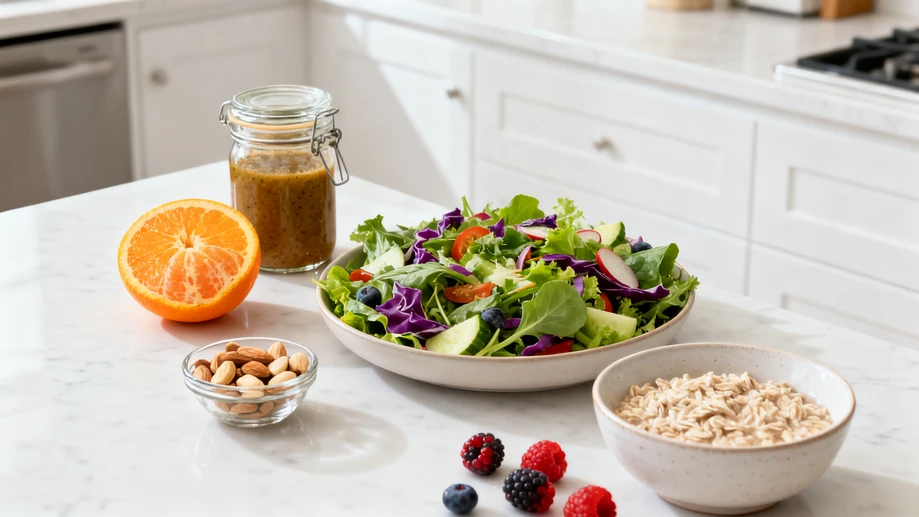
The first and most widespread hidden pitfall hides in the pre-made sauces people add to their supposedly low-calorie meals. Tons of people order takeout salads or build their own salad bowls at home, and top them off with what they think is a light, healthy serving of vinaigrette or low-calorie thousand island dressing. Most commercially produced versions of these so-called diet-friendly dressings pack more than 8 grams of added sugar and multiple grams of hydrogenated vegetable oil per standard 30 gram serving. A full plate of raw mixed vegetables only adds up to roughly 180 calories on its own, but one small half-serving of store-bought dressing adds an extra 120 empty calories that come with almost no nutritional value at all. Even many home cooks do not realize that low-fat salad dressings sold on supermarket shelves add far more fruit syrup and refined salt to make up for the bland taste that comes when manufacturers remove natural fat. Over time, regular consumption of these hidden high-sugar seasonings rewires your taste buds to expect stronger, more intense flavors, making it harder for you to feel full and satisfied from plain, natural whole foods.
The second overlooked mistake is treating blended or juiced "health drinks" as a direct replacement for whole solid fruits and vegetables. Tons of busy people skip peeling and eating a whole orange in the morning, and instead drink a glass of freshly squeezed orange juice to save time. The pulp they throw away during the juicing process contains almost 100 percent of the dietary fiber in the original orange, leaving behind a beverage made up almost entirely of free, rapidly absorbable fructose. The glycemic spike you get from a glass of freshly squeezed fruit juice is nearly identical to the spike you get from drinking a can of regular sugary soda. Your body processes this concentrated free sugar so fast that your pancreas cannot regulate your blood glucose levels at a steady pace, sending energy soaring to a peak before crashing hard less than an hour later, leaving you ravenous and reaching for a processed granola bar or cookie just as you sit down to start your workday. Many people also grab pre-bottled "superfood smoothies" to drink right after a gym session, thinking they are refueling their body with vitamins, but most of these pre-made smoothies have more added sugar in one single serving than public health guidelines recommend for an entire full day of adult consumption.
Another often unrecognized trap comes from overeating ingredients that get labeled as "superfoods" by popular nutrition content. Raw nuts are a perfect example here: almonds, walnuts, and cashews are packed with heart-healthy unsaturated fatty acids, trace minerals, and plant protein, but every 100 grams of plain unsalted almonds holds close to 600 calories. Most people absentmindedly grab handfuls of nuts directly from a big family-sized jar while they watch television or work, and eat 30 to 40 almonds in a single sitting without tracking it, which adds more total calories than a full bowl of steamed white rice. This single unmeasured snack breaks the daily calorie balance many people work hard to maintain through their main meals. A similar issue comes with peanut butter, which many people scoop two full tablespoons of into their morning oat bowl for extra healthy fat. Most mass-produced peanut butter sold in regular grocery stores has extra hydrogenated oil and refined sugar added during processing, and those two tablespoons of peanut butter add 180 extra calories and 5 grams of hidden added sugar, turning a light, low-calorie oat breakfast into a surprisingly high-calorie energy bomb.
Most people also underestimate the cumulative effect of tiny "reward treats" that feel too small to make a difference. After finishing a nutrient-focused balanced main meal, many people give themselves permission to eat one tiny low-sugar cookie, a couple bites of ice cream, or three or four chewy fruit candies as a small reward for sticking to their healthy eating plan. Every one of these tiny individual treats holds less than 50 calories on paper, but these small unplanned bites add up to 300 to 400 extra unused calories over the course of an average day. Those calories barely contribute to your sense of fullness, and they provide almost no meaningful micronutrients your body needs to function well. Over weeks and months, that consistent small surplus of unaccounted for calories adds up to noticeable unwanted weight gain and frequent energy dips, with no obvious large change to your diet that you can point to as the cause.
Fixing all these hidden issues never requires extreme restrictive diets, or expensive rare specialty ingredients sold at premium health food stores. All you need to do is make a handful of tiny, low-effort swaps that barely change how enjoyable your daily meals feel. Swap pre-made store-bought salad dressing for a fresh batch you mix yourself with extra virgin olive oil, cracked black pepper, and a squeeze of fresh lemon juice. Eat whole, unprocessed fresh fruits instead of drinking them in juice form. Portion your daily serving of nuts into small individual reusable sealed bags ahead of time, so you never end up overeating straight from the large jar. If you crave something sweet after a meal, swap processed small treats for a handful of fresh strawberries or blueberries. These tiny adjustments will not make you feel like you are giving up any of your favorite foods, and in a few short weeks you will notice your daily energy stays steady for longer, you no longer hit sudden crippling mid-afternoon slumps, and your body will naturally shift to a more balanced, comfortable state that aligns with all the goals you set for your healthy eating journey.