
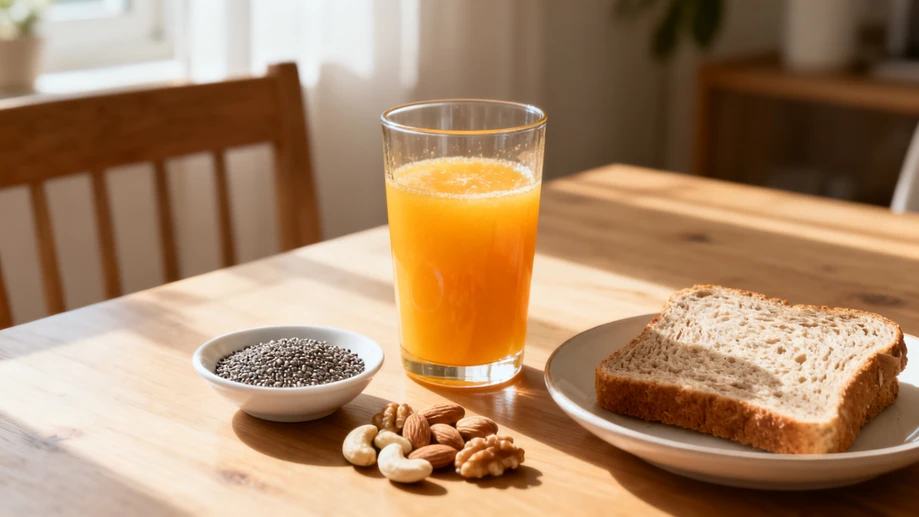
Have You Ever Wondered Why Your "Light Breakfast" Of Only A Glass Of Orange Juice Leaves You Hungry By 9 A.M.?
We break down this underdiscussed hidden breakfast pitfall, share zero-fuss tiny swaps that fit all body types and daily schedules to keep your energy level steady for 4 hours without unwanted mid-morning snack cravings.
If you have ever grabbed a cold glass of freshly squeezed orange juice on your way out the door to skip the heavy, calorie-heavy full breakfast, you are far from alone. This practice is one of the most common unrecognized mistakes people make when trying to cut extra calories while squeezing a meal into 2 minutes of limited morning time, and the negative effects show up far faster than most people expect. Many people finish the last sip of juice while rushing through the subway turnstile, sit down at their work desk, and feel completely alert for the first hour as the fast-absorbed simple sugars hit their bloodstream. But before the second work block even starts, their stomach starts to rumble, their focus drifts away from the report on their screen, and they find themselves scrolling through delivery app menus or rummaging in their desk drawers for leftover candy and chips they stashed weeks ago.
The core of this problem lies in the unexpected nutritional gap of pure fruit juice, no matter how fresh or 100% unsweetened it claims to be. Even juice pressed straight from whole oranges filters out almost all the dietary fiber that slows down digestion, leaving nothing but easily digestible simple sugars, a tiny amount of vitamin C, and trace amounts of fruit acids. When this mix enters your digestive system on a completely empty stomach, your blood sugar spikes sharply within 15 minutes, triggering your pancreas to secrete a large dose of insulin to process the sudden surge of sugar. This massive insulin release drags your blood sugar level right back down below normal fasting levels within 2 to 3 hours, which sends a strong hunger signal to your brain far earlier than if you had skipped breakfast entirely. This state also lowers your cognitive function slightly, making it harder for you to stay focused on long meetings or creative work that needs sustained attention.
A lot of people try to patch up this breakfast flaw by adding a single slice of white toast next to their glass of juice, but this adjustment barely fixes the core issue. Refined white flour bread is almost completely stripped of fiber and natural grain protein, so it behaves almost identically to pure sugar in your digestive tract, extending your satiation time by no more than 30 minutes at most. Many people do not connect their mid-morning drowsiness, their tendency to overeat at lunch, and their unexpected late afternoon sugar cravings back to this seemingly harmless "light" breakfast choice, and end up eating hundreds of extra empty calories every single day without noticing, which completely cancels out the original calorie-cutting goal they set out to achieve.
The good news is that fixing this problem takes barely any extra time or extra ingredients, and the tiny adjustments fit perfectly for people with different dietary needs and physical conditions. For people who do not have any dietary restrictions, adding one tablespoon of whole chia seeds to your glass of orange juice before you head out the door only takes 10 extra seconds, and the high content of soluble fiber and plant protein will slow down sugar absorption by over three times, keeping you satiated right up to your lunch break. For people who are lactose intolerant and cannot digest dairy products, tossing 7 to 8 pieces of unsalted raw almonds into your pocket to eat slowly while you sip your juice on the commute adds a small but effective dose of plant fat that stabilizes your blood sugar curve. For people who are strictly following a low-sugar weight management plan, swapping half a glass of plain unsweetened full-fat yogurt in for a third of the orange juice adds no extra refined sugar, cuts the overall glycemic load of the entire meal by more than half, and eliminates the mid-morning low energy crash completely.
People who test this small adjustment consistently report noticeable changes in their daily routine within a week. They no longer find themselves zoning out during morning work meetings, they no longer feel the urge to order overpriced high-sugar drinks and heavy fried snacks in the 10 o'clock group delivery order, and they eat a far more reasonable portion at lunch without feeling ravenous. This tiny correction does not demand expensive specialized ingredients or complicated cooking procedures, and it turns a seemingly convenient but counterproductive breakfast choice into one of the most cost-effective small health changes you can fit into your busy daily schedule.