
Ever Wondered Why Your Breakfast Never Stays Filling For More Than Three Hours The Secret Hides In This 3-Minute Step
This overlooked breakfast prep trick works for every dietary preference, cuts mid-morning snack cravings, and requires zero extra ingredients or fancy tools to pull off on even the busiest weekdays.
Talk to almost any regular commuter, student or remote worker and you will hear the same exact complaint within five minutes of casual conversation: no matter what they eat for breakfast, their stomach starts growling loudly by 10:30 a.m, leaving them rummaging through desk drawers for stray candy bars or begging a coworker for a handful of salty chips that push their daily calorie intake far over their planned limit. Most people chalk this annoying pattern up to a fast metabolism, or the wrong main ingredient, or the fact that they skipped a second slice of toast before heading out the door, and waste dozens of extra dollars a month on overpriced pre-packaged breakfast bars that promise long lasting fullness but never actually deliver on that claim.
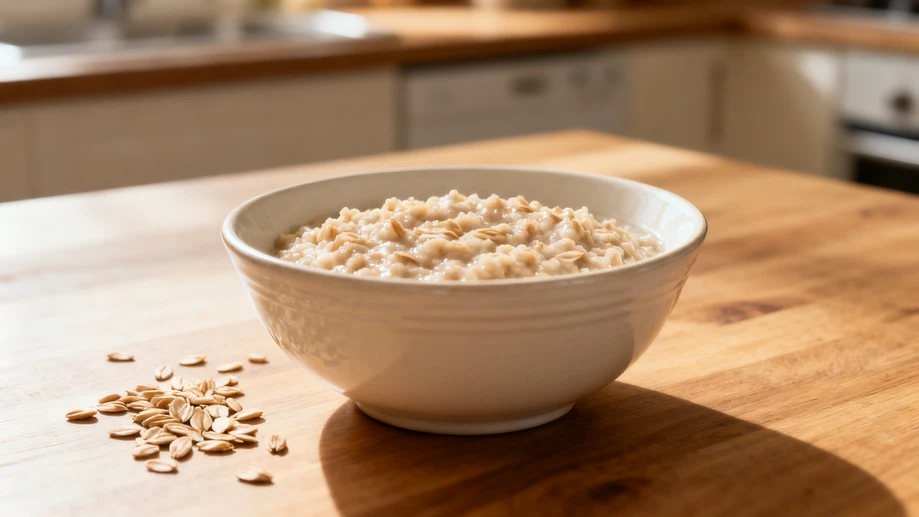
The little trick that solves this pervasive frustration does not involve adding extra protein powder, slathering on an extra thick layer of nut butter, or tossing in a handful of chia seeds that you forgot to restock last weekend. It applies specifically to plain rolled oats, one of the most widely eaten breakfast staples across almost every global culinary tradition, and all you have to do is turn off the heat the second the water or plant milk comes to a full rolling boil, clamp a tight fitting lid over the pot or bowl, and leave it to sit undisturbed for three full minutes before you take your first bite. Most people stir their oats nonstop while they cook, or eat them the second the last chunk of dry grain softens, and that small rush robs them of the biggest nutritional benefit that oats have to offer.
That three minute resting window lets the soluble fiber in oats, known as beta glucan, fully hydrate and form a thick, gel-like texture inside every single grain, and that gel moves through your digestive tract far slower than partially hydrated oats that never got the chance to thicken properly. The slow movement of this gel creates a gentle, steady release of glucose into your bloodstream over the span of three to four full hours, rather than the sharp spike and subsequent crash that happens when you eat oats that are only partially softened right after boiling. This effect is measurable even if you do not add any extra toppings at all, and people who follow this small routine consistently report far fewer random cravings for sugary, highly processed snacks in the hours between breakfast and lunch.
This tiny step is also perfectly suited for almost every demographic and dietary need, no extra adjustments required. People managing type 2 diabetes will see far smaller post-meal blood sugar spikes compared to eating conventionally cooked oats, while people following a low calorie weight loss plan can eat a smaller portion of dry oats and feel just as full for far longer, cutting down their total daily calorie intake without leaving them feeling deprived. Teens heading off to long morning classes will not get distracted by loud stomach growls during midterm exams, and older adults with slower digestive systems will not deal with uncomfortable bloating that often comes from eating under-processed, partially softened whole grains.
You do not even need to wait those three minutes at your kitchen counter before you leave the house, if you are running 10 minutes late for your morning meeting. Pour the boiling water over your portion of rolled oats in an insulated portable bowl, snap the airtight lid shut tight, and tuck it into your work bag before you head out the door. By the time you finish your 20 minute walk or bus ride to your destination, the oats will have finished their full three minute rest cycle, and they will be perfectly thick, creamy, and full of that slow releasing gel that keeps your energy levels consistent for the rest of the morning. It takes zero extra planning, costs nothing, and adds less than four minutes to your entire morning routine, making it one of the highest return low effort nutritional hacks you can add to your daily life.