
The Protein Power Play in Your Fat Loss Diet
Unlocking the secret to feeling full and fueling your body efficiently without excess calories.
Ever feel like your carefully planned salad leaves you rummaging through the pantry an hour later? You're not alone. Many embark on their fat loss journey armed with leafy greens and sheer willpower, only to be ambushed by relentless hunger. This constant battle often leads to frustration and derailed plans. But here's the thing: the missing piece might not be sheer volume, but rather the strategic inclusion of a powerful macronutrient often underestimated in its satiating prowess – protein. Understanding its unique role transforms eating for fat loss from a chore into a sustainable, satisfying strategy.
Protein possesses a remarkable ability to influence our hunger hormones, ghrelin and leptin, far more effectively than carbohydrates or fats. When you consume adequate protein, ghrelin (the "hunger hormone") takes a nosedive, while leptin (the "satiety hormone") gets a boost. This hormonal tango translates directly to feeling fuller, longer, after your meal. Think of it as your internal appetite thermostat being reset. Moreover, protein has the highest thermic effect of food (TEF) among the macronutrients. This means your body expends significantly more energy – burning more calories – just to digest, absorb, and process protein compared to carbs or fats. It's like getting a subtle metabolic bonus simply by choosing chicken breast over a bagel.
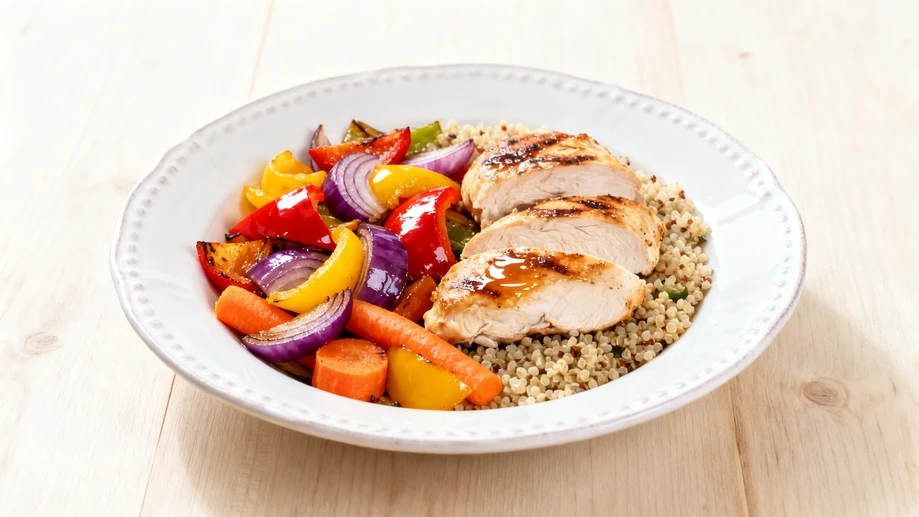
However, simply piling on protein isn't the magic bullet. The true art lies in intelligent pairing. Combining high-quality protein sources with fiber-rich vegetables and complex carbohydrates creates a synergistic effect. The fiber slows down digestion, preventing blood sugar spikes and crashes that trigger hunger, while the protein provides sustained energy and satiety. Imagine a plate featuring grilled salmon (protein and healthy fats), a generous serving of roasted broccoli and Brussels sprouts (fiber and micronutrients), and perhaps a modest portion of quinoa or sweet potato (complex carbs). This combination keeps you satisfied for hours, stabilizes energy levels, and provides a broad spectrum of nutrients essential for overall health and effective fat metabolism. Neglecting this balance often leads to the pitfalls of overly restrictive, protein-only diets lacking essential fibers and phytonutrients.
So, how do you practically harness this power? Start by consciously assessing the protein content of your main meals. Aim for a palm-sized portion (or roughly 20-30 grams) of lean protein like chicken, turkey, fish, tofu, tempeh, lentils, or eggs. Distribute your protein intake fairly evenly across meals rather than loading it all at dinner; this provides consistent satiety signals throughout the day. Don't forget the power of protein in snacks! A small tub of plain Greek yogurt with berries, a handful of almonds, or some cottage cheese can effectively bridge the gap between meals and prevent energy slumps. Remember that variety is key – rotating different protein sources ensures a wider intake of essential amino acids and prevents dietary boredom.
Mastering the protein leverage point is a fundamental step towards sustainable fat loss. It shifts the focus from deprivation to strategic nourishment. By prioritizing adequate, high-quality protein and thoughtfully combining it with fiber and complex carbs, you equip your body with the tools it needs to feel satisfied, maintain muscle mass (crucial for a healthy metabolism), and efficiently utilize stored fat for fuel. It transforms your meals from fleeting fixes into powerful allies in achieving your health goals, making the journey not just effective, but genuinely enjoyable.