
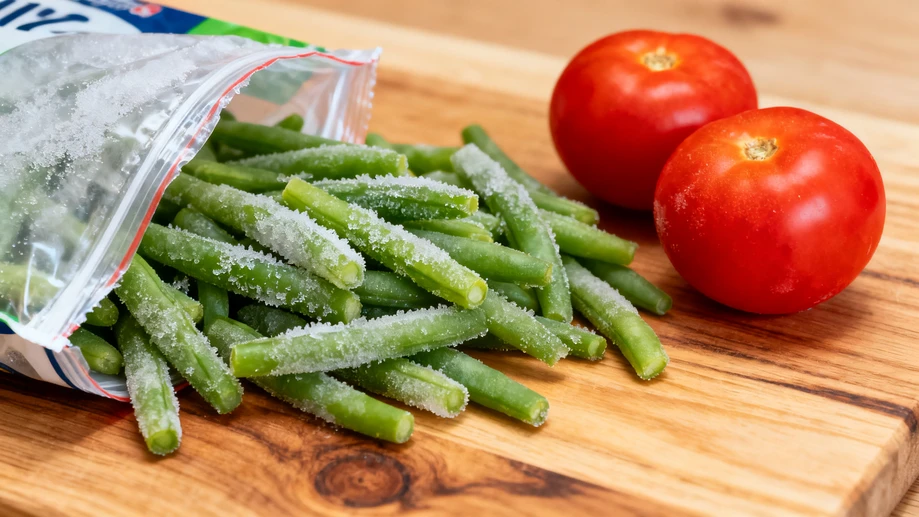
Frozen Vegetables Pack a Nutritional Punch Equal to Fresh Produce
Discover how modern freezing technology preserves vitamins and minerals in vegetables for year-round healthy eating solutions
Many health-conscious individuals instinctively reach for fresh vegetables when shopping, believing they're making the superior nutritional choice. This common assumption stems from the romanticized notion of farm-to-table freshness. Yet the reality of our global food supply chain tells a different story. Those vibrant vegetables in the produce aisle may have traveled thousands of miles over several days before reaching your supermarket. During this journey, they gradually lose precious nutrients through exposure to light, heat, and air. This gradual nutrient degradation creates an unexpected opportunity for their frozen counterparts to shine.
Modern flash-freezing technology has revolutionized food preservation since its commercialization in the 1930s. Vegetables destined for freezing are typically harvested at peak ripeness and rushed to processing facilities within hours. The rapid blanching and ultra-fast freezing process effectively pauses the clock on nutrient loss. Scientific analysis reveals that vitamin C retention in frozen vegetables averages 90% compared to fresh-picked samples. Minerals like potassium and magnesium remain virtually unchanged during freezing. Interestingly, certain nutrients like lycopene in tomatoes become more bioavailable after freezing and reheating due to cellular structure changes.
Surprisingly, frozen vegetables often outperform so-called fresh alternatives nutritionally when considering real-world scenarios. Those fresh green beans shipped from another continent may spend 7-10 days in transit and storage before purchase. Studies show they can lose up to 45% of their vitamin C during this period. By contrast, frozen green beans processed within six hours of harvest maintain near-peak nutrient levels for up to a year. A 2015 study in the Journal of Agricultural and Food Chemistry found no significant nutritional differences between fresh and frozen produce for vitamins B2, E, calcium, and zinc when properly prepared.
Beyond nutrition, frozen vegetables offer practical advantages that support consistent healthy eating habits. Their extended shelf life dramatically reduces food waste which remains a critical environmental issue. Busy families appreciate the convenience of having nutrient-dense vegetables available without last-minute grocery runs. The pre-washed and pre-cut formats eliminate common meal preparation barriers. During off-seasons or in regions with limited fresh produce availability frozen options provide crucial access to diverse vegetables ensuring dietary variety regardless of geographical constraints or seasonal limitations.
The nutritional debate between fresh and frozen vegetables ultimately misses the crucial point: regular vegetable consumption matters most. Nutritionists emphasize that both forms contribute significantly to daily nutrient requirements and disease prevention. The key is incorporating vegetables consistently whether fresh frozen or even canned into daily meals. For optimal nutritional benefits steam frozen vegetables instead of boiling to minimize nutrient leaching. Pair them with healthy fats like olive oil to enhance absorption of fat-soluble vitamins. As research continues to validate frozen vegetables nutritional equivalency consumers can confidently embrace freezer aisle options as part of a balanced sustainable approach to healthy eating year-round.