
The Hidden Shield in Your Greens Antioxidants for Lifelong Wellness
Uncover the surprising ways vegetables protect your health by fighting oxidative stress and preventing chronic diseases naturally
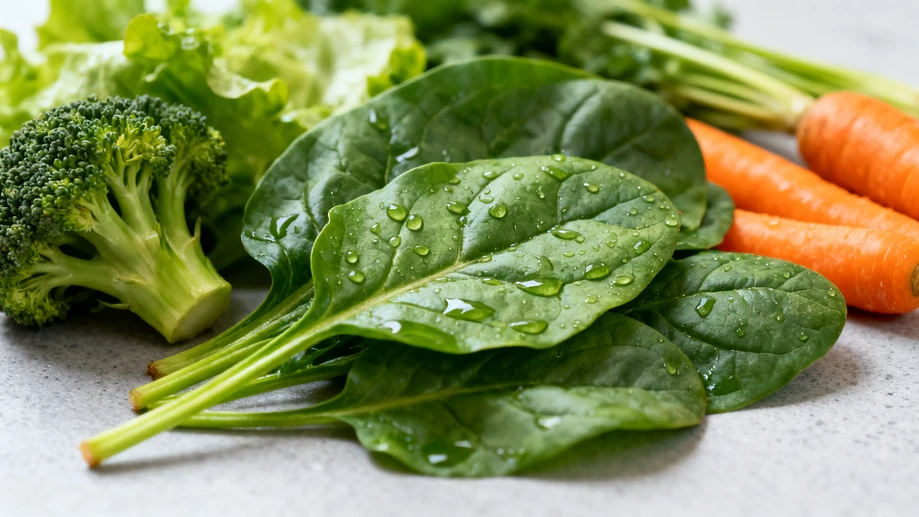
Vegetables are often celebrated as the cornerstone of a healthy diet, but their true power lies in a little-known secret: antioxidants. These natural compounds, found abundantly in everyday greens like spinach, carrots, and broccoli, act as the body's silent guardians against the wear and tear of modern life. While many people focus on counting calories or avoiding fats, the real magic happens at a cellular level, where antioxidants wage a daily battle to keep us vibrant and disease-free. This overlooked aspect of nutrition isn't just about adding color to your plate; it's about investing in a future where chronic illnesses like heart disease and cancer are kept at bay. As we delve into this fascinating topic, you'll discover how simple dietary choices can transform your well-being in ways you never imagined.
Antioxidants work by neutralizing harmful molecules called free radicals, which are produced naturally in the body through processes like metabolism or exposure to environmental toxins. Free radicals are unstable and can damage cells, leading to inflammation and accelerated aging. Vegetables are rich sources of antioxidants such as vitamin C, vitamin E, and beta-carotene, which act like molecular shields. For instance, dark leafy greens contain high levels of lutein and zeaxanthin, compounds that specifically protect the eyes from age-related degeneration. This isn't just theoretical; numerous studies, including those from reputable health organizations, show that diets high in antioxidant-rich vegetables correlate with lower rates of oxidative stress. However, it's not about consuming one superfood in isolation—diversity is key, as different vegetables offer unique antioxidant profiles that work synergistically.
Moreover, the benefits of these compounds extend far beyond basic protection, directly reducing the risk of chronic diseases that plague millions worldwide. By combating oxidative stress, antioxidants help prevent DNA damage that can lead to cancer, while also improving cardiovascular health by reducing artery inflammation and lowering bad cholesterol levels. For example, cruciferous vegetables like broccoli and Brussels sprouts contain sulforaphane, an antioxidant linked to decreased tumor growth in research. This proactive defense is especially crucial in today's fast-paced world, where stress and pollution amplify free radical production. Yet, many people underestimate this power, opting for quick fixes like supplements instead of whole foods. In reality, the natural synergy in vegetables ensures better absorption and effectiveness, making them superior to artificial alternatives.
Incorporating more antioxidant-packed vegetables into your daily meals is easier than you might think, and it can be both delicious and rewarding. Start by aiming for a rainbow on your plate—include a variety of colors like red peppers, purple cabbage, and orange sweet potatoes to maximize antioxidant intake. Simple swaps, such as adding spinach to smoothies or snacking on carrot sticks with hummus, can significantly boost your defenses. Cooking methods matter too; lightly steaming or roasting preserves more nutrients than boiling, which can leach antioxidants into water. For a practical step, try a weekly "veggie challenge" where you experiment with new recipes, like a stir-fry loaded with kale and bell peppers. This approach not only enhances flavor but also builds sustainable habits that make healthy eating enjoyable rather than a chore.
Ultimately, embracing vegetables as your primary source of antioxidants is a lifelong investment in vitality and disease prevention. While modern diets often prioritize convenience over nutrition, the evidence is clear: a plant-focused lifestyle can add years to your life and life to your years. By making small, consistent changes, you harness nature's pharmacy to fortify your body against the silent threats of chronic illness. So next time you reach for a snack, remember that those humble greens are more than just food—they're your personal shield, ready to defend your health with every bite.