
Plant Power Pairing Unlocks Complete Protein in Every Bite
Discover the simple science of combining plant foods to create complete proteins without relying on animal sources.
Protein often dominates the conversation about healthy eating and muscle building, conjuring images of grilled chicken breasts or steak. But what if the secret weapon for achieving complete protein wasn't found solely on the meat aisle? Enter the fascinating world of plant-based protein pairing – a culinary strategy as simple as it is powerful, unlocking the full potential of humble grains, legumes, nuts, and seeds. It’s like assembling a puzzle where different pieces fit together perfectly to create the complete picture of essential amino acids your body craves.
Proteins are the building blocks of life, composed of smaller units called amino acids. While our bodies can manufacture some amino acids, nine are deemed "essential" – meaning we must obtain them directly from our diet. A "complete" protein source contains all nine essential amino acids in sufficient quantities. Animal products naturally provide this completeness. Most individual plant foods, however, are "incomplete," meaning they are low in one or more essential amino acids. For instance, grains like rice and wheat are typically low in lysine but contain methionine. Conversely, legumes like beans and lentils are rich in lysine but fall short in methionine.
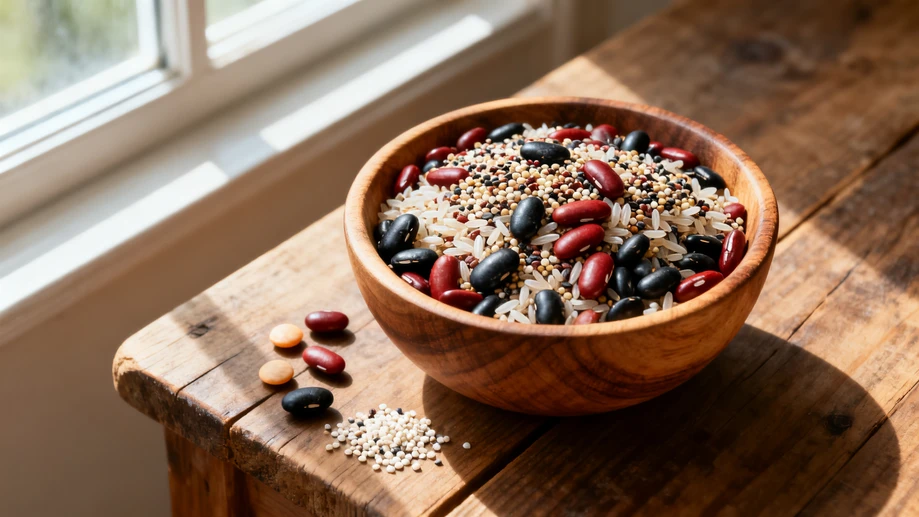
Here’s where the magic of pairing comes in. The concept of "protein complementarity" is the key. By combining two or more plant foods that have complementary amino acid profiles within the same meal or over the course of a day, you effectively create a complete protein profile. The lysine from the beans perfectly compensates for the lack in the rice, while the rice provides the methionine the beans are missing. Together, they offer the full spectrum your body needs. This isn't some obscure, complicated nutritional theory; it's a practical, time-tested principle used in countless traditional cuisines worldwide.
A common misconception is that these complementary proteins must be consumed together at the exact same meal. While eating them together is certainly efficient and delicious, nutritional science offers flexibility. Research indicates that consuming complementary proteins within the same day, or even within a roughly 24-hour window, generally allows your body to pool the amino acids effectively for protein synthesis. This takes the pressure off every single meal and snack, making plant-based protein adequacy much more accessible and less rigid than many imagine.
Putting this knowledge into practice is remarkably straightforward and opens up a world of delicious possibilities. Think beyond the classic rice and beans. Consider a vibrant quinoa salad packed with black beans, corn, and avocado – quinoa itself is a complete protein, but pairing it with beans adds extra lysine and creates a more robust profile. Enjoy hummus (made from lysine-rich chickpeas) spread on whole-wheat pita (providing methionine). A hearty bowl of lentil soup served with a slice of whole-grain bread creates another perfect pairing. Even a simple snack of peanut butter (a legume) on whole-wheat toast (a grain) leverages this principle. The combinations are virtually endless, limited only by your culinary creativity.
Embracing plant protein pairing offers significant advantages beyond just meeting protein needs. It naturally encourages a diet rich in diverse, whole plant foods, which are packed with fiber, vitamins, minerals, and beneficial phytonutrients often lacking in diets centered on animal protein. This approach supports gut health, reduces inflammation, and is linked to a lower risk of chronic diseases. It’s also generally more sustainable and environmentally friendly. So, the next time you plan a high-protein meal, look beyond the usual suspects. Explore the vibrant world of plants, combine them wisely, and unlock the complete protein power that nature readily provides. It’s a simple, scientifically sound strategy for building strength and vitality, one delicious, plant-powered bite at a time.